Cedar Hill, TX
Trucking Insurance in Cedar Hill, Built on How You Actually Run
We place primary auto liability, physical damage, motor truck cargo and bobtail coverage for owner-operators, new motor carriers and small fleets. Before we quote, we learn your loads, your radius and your filings, so the policy fits your operation. We work with carriers from Cedar Hill, DeSoto, Midlothian and beyond.
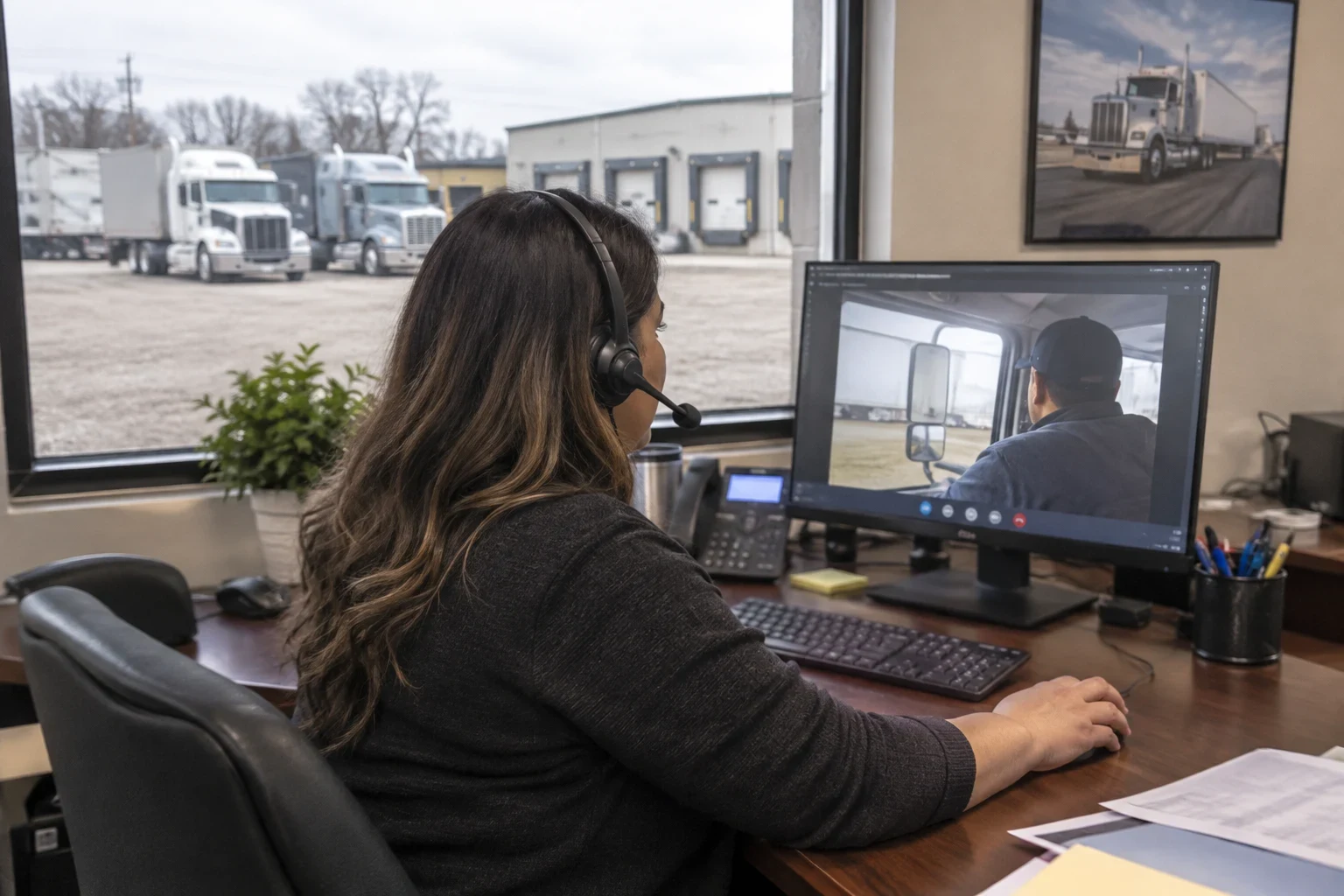
- Quotes by phone or video
- Line-by-line coverage review
- Filings checked before binding
- Plain answers on premium
Where We Work
Our office is in Cedar Hill, TX, and we serve motor carriers across the southern Dallas–Fort Worth area, including DeSoto, Duncanville, Lancaster, Glenn Heights, Red Oak and Ovilla. We also work with operators based in Grand Prairie, Mansfield, Midlothian and Venus.
- Cedar Hill
- DeSoto
- Duncanville
- Ovilla
- Grand Prairie
- Mansfield
- Midlothian
- Glenn Heights
- Lancaster
- Red Oak
- Venus
Because quotes and reviews happen by phone and video, you can work with us wherever your trucks are parked or running.
Coverage for Every Part of Your Operation
We have been in business 5 years and are licensed for property and casualty insurance, and in that time we have learned that most coverage problems start with a question nobody asked. Our work covers commercial trucking insurance as a whole, along with the separate pieces it is built from: primary auto liability, physical damage, motor truck cargo, non-trucking liability and trailer interchange. We also write programs shaped around a type of operation, from a single owner-operator or a fresh MC authority to a fleet, a dump truck business, a hotshot rig or a box truck route.
Commercial Trucking Insurance
Liability, physical damage, cargo and filings, built from what you haul, how far you run and who drives, so the policy fits before a claim tests it.
Primary Auto Liability
Liability coverage and FMCSA or Texas filings set up for the way your trucks actually run, with certificates your brokers will accept.
Physical Damage Insurance
Collision and comprehensive coverage for your trucks and trailers, set at a stated value that matches what the equipment is really worth.
Motor Truck Cargo Insurance
Cargo coverage for the freight in your care, matched to your commodities, equipment and broker contracts so a claim is not denied over a gap.
Non-Trucking Liability (Bobtail)
Coverage for the miles you drive off dispatch, quoted to match the exact wording and limits your carrier lease asks for.
Trailer Interchange Insurance
Physical damage coverage for trailers and chassis you pull under a written interchange agreement, set to the limits that agreement actually requires.
Owner-Operator Insurance
Coverage for one-truck operators, sorted by how you actually run: leased to a motor carrier or hauling under your own MC authority.
New Authority Truck Insurance
Insurance for motor carriers with a fresh MC authority, built around your driving record, freight and lanes so your filings go in and your first loads can move.
Fleet Truck Insurance
Fleet truck insurance that puts every unit, driver and filing on one schedule, priced from your actual loss runs and driver records.
Dump Truck Insurance
Coverage for dump trucks, mixers and other construction trucks, matched to your loads, your job sites and the certificates your general contractors ask for.
Hotshot Truck Insurance
Liability, cargo and physical damage for pickup-and-gooseneck operators, written around your real loads, trailer and lanes.
Box Truck Insurance
Liability, cargo and physical damage coverage for box truck operators, matched to the freight you haul and the contracts you sign.
Why Carriers Bring Their Coverage to Us
A policy can look complete on the declarations page and still leave a gap where your real risk sits. We start by understanding your operation, then build the coverage around it.
- 01
We ask before we quote
What you haul, how far you run, who drives and whose trailers you pull all change the right policy. We get those answers first, so the quote you see reflects the work you actually do and not a guess that falls apart at claim time.
- 02
Five years in the trade
Our office holds a property and casualty insurance license and has been in business 5 years. That time has been spent with motor carriers, so the paperwork side of trucking, from DOT numbers to certificate requests, is familiar ground.
- 03
Exclusions explained, not buried
Cargo forms in particular can carry limits on unattended trucks, refrigeration breakdown or certain commodities. We walk you through the exclusions that matter for your freight so nothing is a surprise later.
- 04
Filings treated as part of the job
Your federal and state filings have to match your policy exactly. We check names, numbers and limits before anything goes out, because a mismatch can hold up your authority.
- 05
Help after the policy starts
Adding a truck, swapping a driver or getting a certificate of insurance to a new shipper is routine work for us, handled by phone.
What Moves Your Premium
Trucking premium is built from a handful of facts about your operation. Knowing which ones carry the most weight helps you plan, and sometimes shows where a change can make a real difference. We explain each one as it applies to you.
We build your quote from these details and walk through it line by line by phone. Final premium is set by the insurance company once underwriting reviews your information.
- Time under your authority
- A new MC authority has no loss history yet, so underwriters price it more cautiously. Premium tends to settle as your record builds over the first years.
- Drivers and their records
- Age, years of commercial experience and motor vehicle records for every listed driver are weighed closely. One driver with recent violations can affect the whole policy.
- What you haul
- Sand and gravel, general freight, vehicles and refrigerated goods each carry different risk. Commodity drives cargo pricing most, but it touches liability too.
- Radius and routes
- A truck that stays within a short local radius is rated differently from one running long interstate lanes. We describe your radius accurately so the rating fits.
- Equipment and its value
- The year, type and stated value of your trucks and trailers set the physical damage premium. Your choice of deductible changes it as well.
- Limits and claims history
- Higher liability limits required by brokers or shippers raise premium. Prior loss runs, good or bad, follow you from one policy to the next.
About Trucking Insurance Cedar Hill
We are a local insurance office that works only with trucking. Our clients run dump trucks out of aggregate yards, hotshot rigs to oilfield and construction sites, box trucks on delivery routes and tractor-trailers on regional lanes. Each one needs coverage that fits a different kind of day.
Our approach is careful and unhurried. We would rather spend an extra twenty minutes on the first call than have you find a gap the week after an accident. When we recommend a coverage, we can tell you exactly why it belongs on your policy.
- License
- Licensed for property and casualty insurance
- In business
- In business 5 years
How Getting Covered Works
Most of this happens by phone or video, with our office available if you prefer to sit down in person.
- 1
A conversation about your operation
We talk through your trucks, your freight, your radius and your drivers. This is where we find the details that shape the right coverage.
- 2
Gathering the paperwork
We ask for your DOT number, MC authority if you have one, VINs, driver information and any prior loss runs. If something is missing, we tell you exactly what and why it matters.
- 3
Reviewing your options
We go over each coverage, its limits, its deductible and its key exclusions. You decide with a clear picture of what you are paying for.
- 4
Binding and filings
Once you give us the go-ahead on the call, we bind the policy and take care of the required filings with the agencies. We also send certificates of insurance to the brokers or shippers you name.
- 5
Staying current
As your operation changes, call us to add equipment, update drivers or adjust limits.
Questions Truckers Ask Us
- How much will my trucking insurance cost?
- It depends on your drivers, your authority's age, what you haul, your radius and the value of your equipment. Two trucks that look alike can price very differently. We gather those details first and then walk you through a quote by phone. The insurance company sets the final premium after underwriting.
- What do I need ready before I get a quote?
- Have your DOT number and MC authority if you have one, the VINs for your trucks and trailers, driver names with license details, and loss runs from any prior policy. If you are just starting out, we can still begin the conversation and tell you what to collect.
- Can you help if my authority is brand new?
- Yes. New authority truck insurance is a regular part of our work. Underwriters look harder at operations without history, so we take care to present your experience, equipment and freight clearly. We also make sure your filings are submitted correctly so your authority can activate.
- What is the difference between primary liability and bobtail coverage?
- Primary auto liability covers damage you cause to others while operating under your own authority or for a motor carrier dispatching you. Non-trucking liability, often called bobtail, covers a leased owner-operator when the truck is used for personal reasons outside dispatch. If you are leased on, the motor carrier usually provides primary liability, and you may need non-trucking liability. We confirm which applies to you before quoting.
- Do I need cargo coverage if my broker does not ask for it?
- Many shippers and brokers do require it, and even when they do not, you can be held responsible for the freight in your care. We look at the commodities you haul and review the cargo form's exclusions with you, so you know what it protects.
- Can I add a truck or driver partway through my policy?
- Yes. Call us with the VIN or the driver's details and we will request the change from the insurance company. We will also explain how it affects your premium and send updated certificates where needed.
- Do I have to come into the office?
- No. Most clients handle everything by phone or video. Our office in Cedar Hill is open to anyone who prefers to review their coverage face to face.
Start With a Conversation About Your Trucks
Tell us what you haul and how you run. We will look at your operation closely and build a quote around it.