ServicesPrimary Auto Liability
Primary Auto Liability Insurance in Cedar Hill
Primary auto liability pays for injuries and damage your truck causes to other people, and your MC authority depends on it. We start by learning how you actually run, then set limits and filings that fit your loads, your contracts and the regulators.
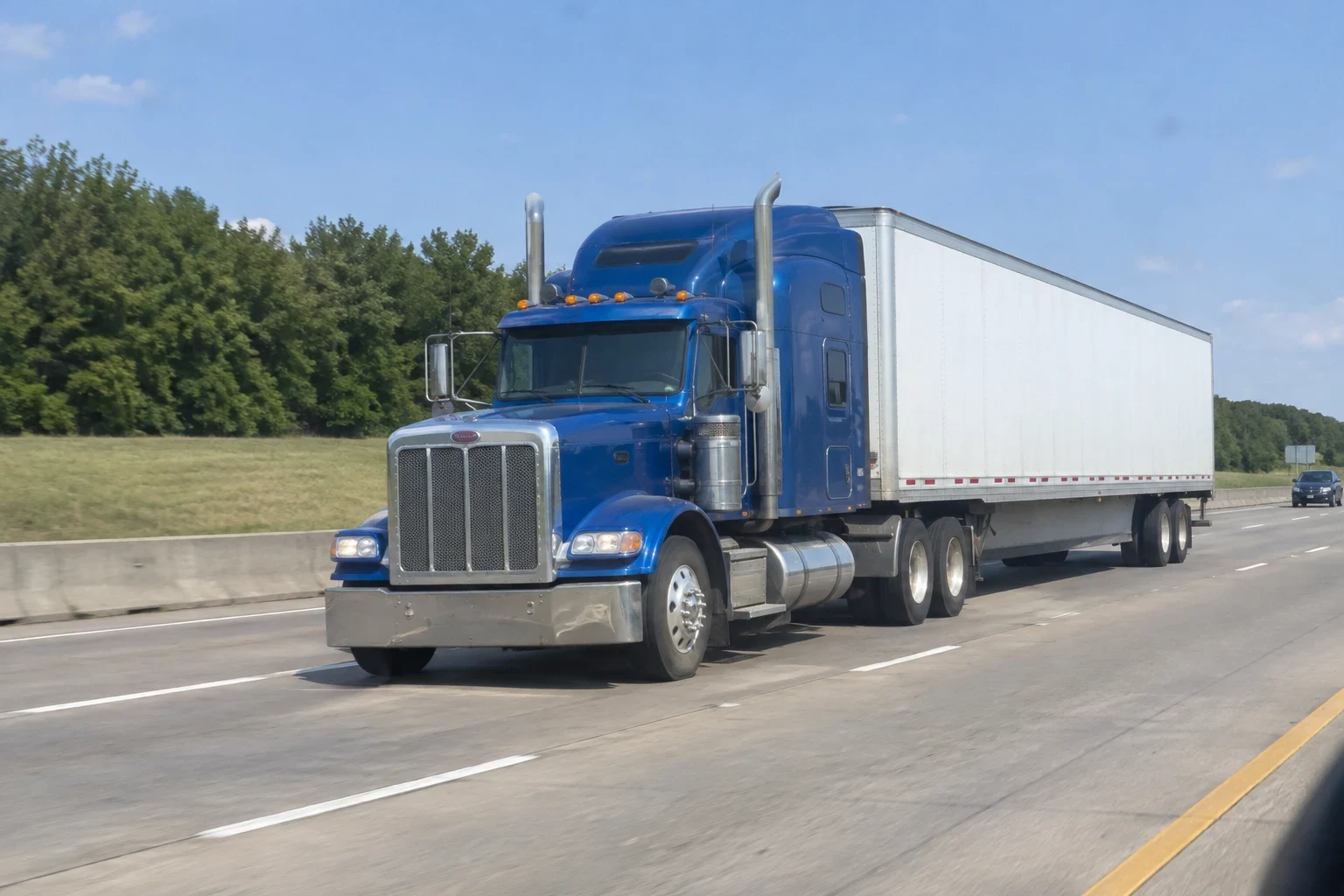
The coverage that keeps your authority active
Primary auto liability is the policy that answers when your truck is at fault in a crash. It pays for the other driver's medical bills, damage to their vehicle or property, and your legal defense if you are sued. It does not repair your own truck, which is the job of physical damage insurance, and it does not cover the freight, which is motor truck cargo insurance.
For a motor carrier, this coverage is also a legal requirement. Interstate carriers need a liability filing with the FMCSA before their MC authority goes active, and carriers hauling only inside Texas need one with the Texas Department of Motor Vehicles. If the policy cancels, the insurer notifies the regulator, and your authority can be revoked.
Most liability problems we see are not about price. They come from a policy written for the wrong operation: the wrong radius, the wrong commodity, a driver left off the schedule. We sort out how you really run first, so the coverage holds up when a claim is filed.
What we set up with your liability policy
- Limits matched to your contracts
- We check the federal minimum for what you haul, then the limit your brokers and shippers write into their agreements. Many ask for more than the minimum, and learning that after a load is booked usually costs you the load.
- Federal and state filings
- We make sure the insurer files the BMC-91X with the FMCSA for interstate authority, or Form E with the Texas DMV for intrastate work. Then we confirm it posts against your DOT number before your trucks roll.
- Accurate driver and unit schedules
- Every driver and power unit is listed as it really is. An unlisted driver or a truck missing from the schedule is one of the most common reasons a liability claim gets disputed.
- Certificates of insurance
- When a broker, shipper or job site asks for a certificate of insurance, we issue it with the correct holder name and any endorsement wording their contract calls for, such as adding them to the policy.
- Commodity and radius on record
- What you haul and how far you run shape both the premium and what the policy will respond to. We write them down accurately, not as a convenient guess.
Signs your liability coverage needs a closer look
A broker rejected your certificate
Usually the limit, the business name on the policy or the listed units do not match what the broker requires. We find which one before you lose another load.
FMCSA shows no active insurance
A filing that never posted, or one still tied to an old policy, can leave your authority pending or flagged. We trace where it stalled and get it corrected.
You changed what you haul
Moving from dry van freight to aggregate, or from local runs to regional lanes, changes the risk. A policy written for the old work may not respond the way you expect.
Your renewal jumped with no explanation
A higher premium almost always traces to something specific: a loss on your record, a driver's MVR, a wider radius or a shift in the market. We look for the reason before we shop.
A new driver or truck came on mid-term
If you hired or bought since the policy started, confirm both are scheduled. The middle of a claim is the wrong time to find out.
How we set up your liability coverage
- 1
A conversation about your operation
By phone, video or at our office, we go over your DOT number, authority status, units, drivers, commodities and lanes. We also ask about past losses and any contracts that set coverage requirements.
- 2
Checking your records first
We review your FMCSA snapshot, inspection history and driver records so nothing on the application conflicts with what underwriters will see. Mismatches found late are what make quotes change at the last minute.
- 3
Options laid out side by side
We bring back each option with its limit, notable exclusions and premium, and explain the differences in plain terms so you can choose with a clear view.
- 4
Binding and filings
Once you decide, we bind the policy, confirm the filing posts with the FMCSA or the Texas DMV, and send the certificates of insurance your customers need.
- 5
Keeping it current
Through the term, let us know when you add a truck, hire a driver or take on new freight, and we update the policy before it matters.
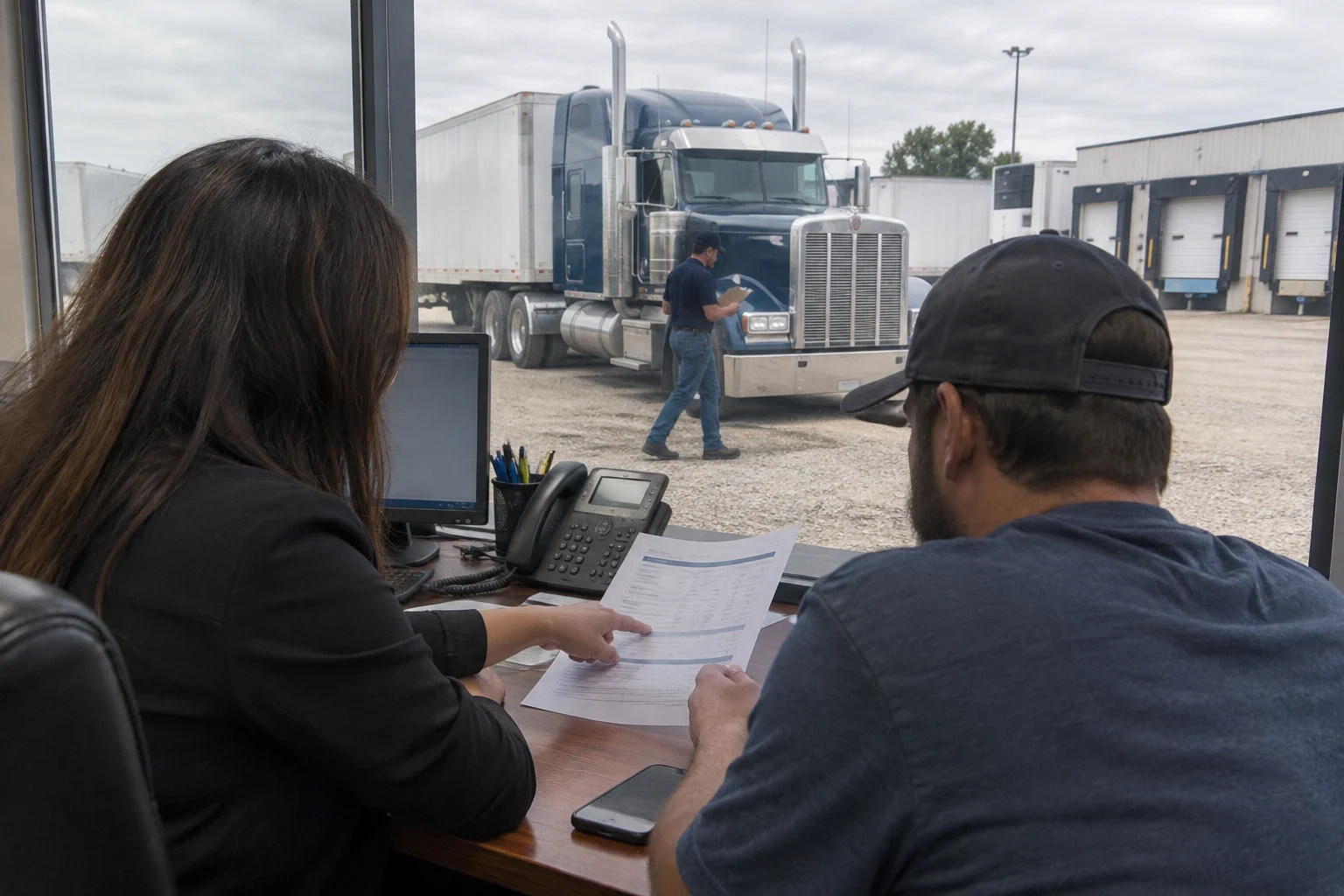
What shapes your liability premium
Liability is usually the largest part of a trucking insurance bill, and its premium is built from your own operation. We cannot give a number without the details. We can tell you what underwriters weigh and where you have some control.
- Driver experience and records
- Years of commercial driving, MVR violations and age all count. One driver with recent violations can move the premium for the whole policy.
- Safety and loss history
- Prior claims, roadside inspection results and CSA scores show underwriters how your operation runs. A new authority has no history yet, and carriers price for that.
- Limit, commodity and radius
- Higher limits cost more. Hazardous materials, heavy aggregate and long-haul lanes carry more risk than local general freight.
- Where your trucks are garaged
- The place your trucks park at night affects the rate, because traffic density and claim costs differ from one area to the next.
- Number and type of units
- Tractors, straight trucks and pickups pulling hotshot trailers are rated differently, and each added unit adds exposure.
Questions about primary auto liability
Something not covered here? (972) 526-0372
Is primary auto liability the same as bobtail insurance?
No. Primary liability covers you while operating under your own authority or under dispatch. Non-trucking liability, often called bobtail insurance, covers a leased owner-operator driving off dispatch. If you are leased to a carrier, that carrier often provides the primary liability and you carry the non-trucking policy.
How long until my filing shows with the FMCSA?
After the policy is bound, the insurer submits the filing electronically, and it typically appears within a few business days. We keep checking your record until it posts rather than assuming it went through.
Do I need this if I only haul inside Texas?
Yes, if your trucks require Texas intrastate authority. The filing goes to the Texas Department of Motor Vehicles instead of the FMCSA. We confirm which applies based on where your freight actually comes from and goes, since a load that started out of state can count as interstate commerce.
Does liability cover damage to my own truck?
No. It only pays for harm to others. Your tractor or trailer needs physical damage insurance, and the freight needs motor truck cargo insurance. We can quote those alongside your liability so the pieces line up.
What do you need from me to start a quote?
Your DOT and MC numbers if you have them, a list of trucks with VINs, driver names and license details, what you haul, how far you run, and loss runs from prior insurers. If your authority is new, we can begin with what you have on the first call and gather the remaining details together on a follow-up call.
Get your liability right before the next load
Tell us how your operation runs, and we will match the coverage and filings to it. We work with carriers across Cedar Hill, DeSoto, Midlothian and the surrounding area.