ServicesOwner-Operator Insurance
Owner-Operator Truck Insurance in Cedar Hill
Before we quote anything, we read your lease agreement and look at how your truck really earns its money. That tells us what your carrier already covers, what falls to you, and where a gap could leave you paying out of pocket after a claim.
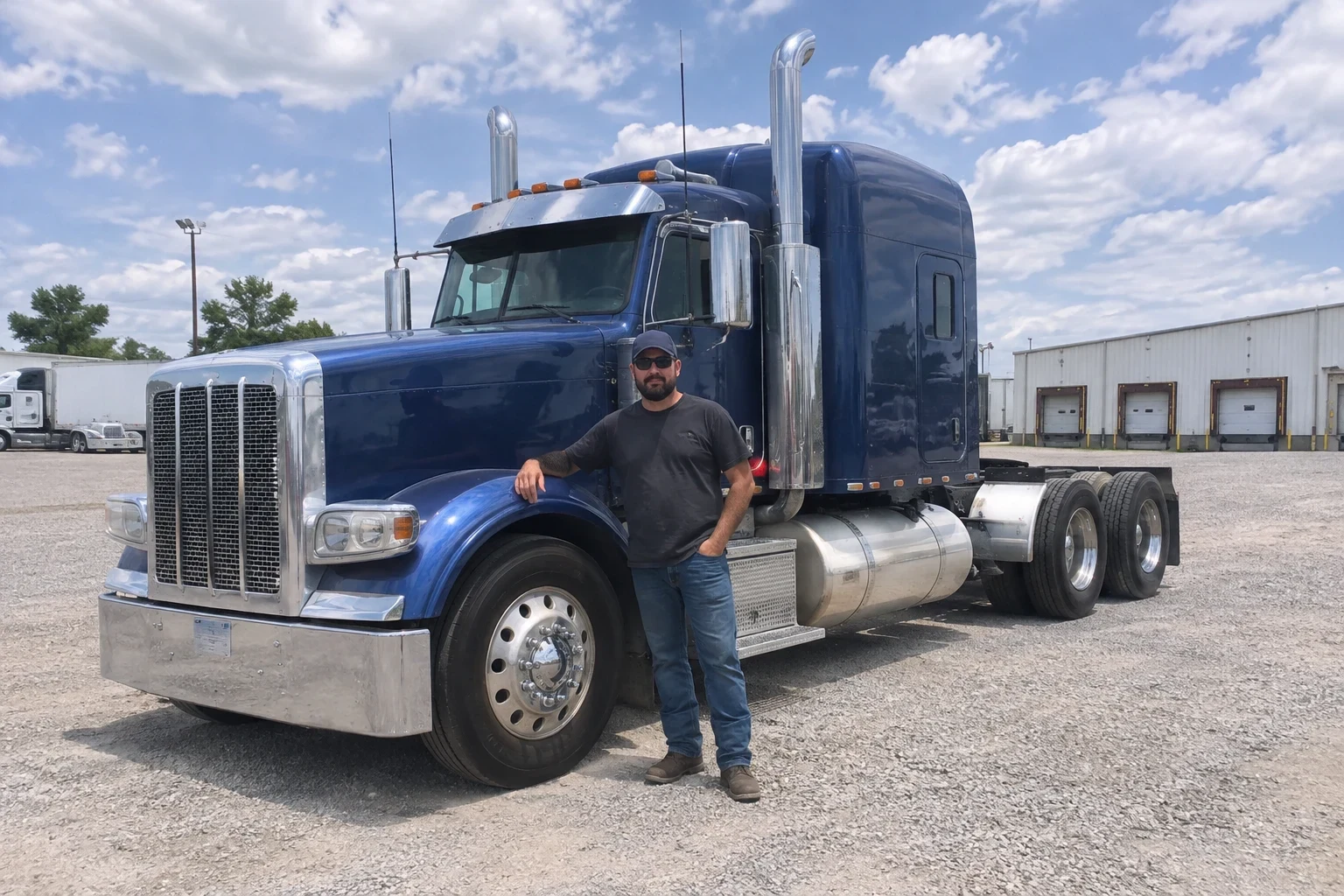
Coverage that starts with how you run
Owner-operators sit in one of two places. Leased to a motor carrier, you usually ride on the carrier's primary liability while under dispatch, and you cover the rest yourself. Running under your own MC authority, every piece of coverage and every filing is yours to carry.
Most problems we see come from guessing which side of that line a driver is on. A policy bought for the wrong setup can look fine on paper and still leave the truck, the trailer or the time off dispatch unprotected. So we start with your paperwork, not a price sheet.
We work with drivers across Cedar Hill and nearby towns like DeSoto, Midlothian and Red Oak, at our office or by phone and video, whichever suits your schedule.
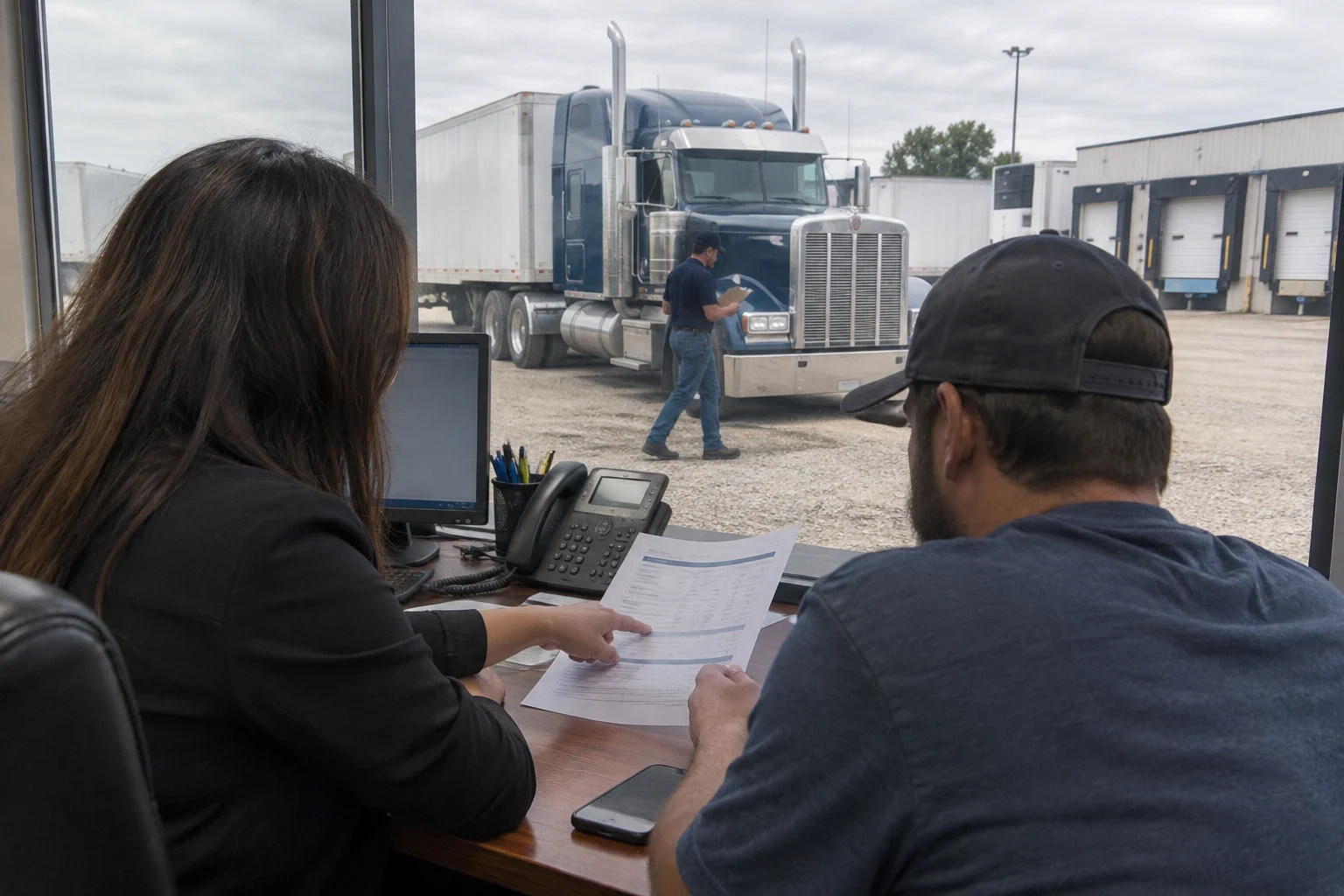
What an owner-operator policy can include
- 01
Non-trucking liability
For leased drivers, this covers you when the truck is used for non-business purposes. We check your lease to see exactly when the carrier's coverage stops, so this piece fits around it.
- 02
Primary auto liability
Required when you haul under your own authority. We set limits that meet federal requirements and what your brokers and shippers ask for.
- 03
Physical damage
Protects the tractor itself. We set the stated value from the truck's actual condition and match what your lender requires if it is financed.
- 04
Motor truck cargo
Cargo coverage sized to the freight you really haul. Reefer loads, machinery and general freight are written differently, and we ask before we assume.
- 05
Trailer interchange
If you pull trailers owned by someone else under an interchange agreement, this covers damage to that equipment while it is in your care.
- 06
Filings and certificates
When you run your own authority, we handle the required federal and state filings and issue a certificate of insurance to each broker or carrier who needs one.
Questions about Owner-Operator Insurance?
Call(972) 526-0372Signs your current setup needs a closer look
You are leaving a lease
Moving from a carrier's authority to your own changes almost everything. The liability your carrier carried for you becomes your responsibility the day you start.
A broker rejected your certificate
Wrong limits, a missing cargo line or an outdated business name on the policy will stall a load. It usually points to a policy that was never matched to your work.
Your lender is asking questions
Financed trucks need physical damage written a certain way, with the lender listed correctly. A notice from the bank is worth a call before it becomes a problem.
You changed what you haul
New freight, a longer radius or a different trailer type can fall outside an old policy without anyone noticing until a claim.
Your renewal came back much higher
A jump in premium has a cause. A new ticket, a claim on your loss runs or a change in your safety scores are the usual suspects, and each one is handled differently.
How we put your coverage together
- 1
A conversation about your work
We talk through who you are leased to or whether you run your own authority, what you haul, how far you go and what your truck is worth. This can happen in person or on a video call.
- 2
Reviewing your paperwork
We read your lease or interchange agreements, your current declarations page and your loss runs. This is where most gaps show up, and we point them out plainly.
- 3
Shopping the right coverage
With a clear picture, we gather quotes for the coverage you actually need and explain the differences in deductibles, limits and exclusions line by line.
- 4
Binding, filings and certificates
Once you choose, we bind the policy, complete any required filings and send certificates of insurance where they need to go. You get copies of everything for your cab and your records.
What moves an owner-operator premium
Two drivers with the same truck can pay very different premiums. Insurers price the risk they see in your record and your operation, so the clearest way to a fair number is to give them an accurate picture. We help you do that and show you which factors you can influence.
- Leased or own authority
- Leased drivers often need less on their own policy because the carrier carries primary liability under dispatch. Own authority means pricing primary liability yourself, which is usually the largest piece.
- Driving record and experience
- Years holding a CDL, recent violations and any accidents on your MVR weigh heavily. A clean few years tends to show up in the quote.
- Truck value and deductible
- A newer, higher-value tractor costs more to cover for physical damage. A higher deductible lowers the premium but raises what you pay after a loss.
- Freight and radius
- What you haul and how far you run change both cargo coverage and liability pricing. Local regional work is rated differently than long-haul.
- Loss history and safety scores
- Prior claims on your loss runs and your carrier safety data are reviewed at every renewal. Keeping both clean is one of the few levers fully in your hands.
Owner-operator insurance questions
I'm leased to a carrier. Do I still need my own insurance?
Usually, yes. The carrier's primary liability typically covers you only while under dispatch, and it rarely covers damage to your own truck. Most leases require you to carry non-trucking liability and physical damage, and some require more. We read your lease to confirm exactly what yours asks for.
Can I keep my policy when I get my own MC authority?
Some pieces, like physical damage, may carry over with changes. Non-trucking liability does not fit a driver running under their own authority, so it is replaced by primary auto liability and the filings that go with it. We plan the switch so there is no gap on the day your authority goes active.
What should I have ready before we talk?
Your CDL, the truck and trailer VINs, your DOT number if you have one, your current declarations page, and loss runs from your last insurer. If you are leased, bring the lease agreement too. Having these on hand lets us give you an accurate quote rather than a rough guess.
How do brokers get my certificate of insurance?
Once your policy is in place, you tell us who needs a certificate and we issue it with the correct limits and holder information. If a broker asks to be listed a specific way, we match their request.
Will one speeding ticket change my premium?
It can, depending on the insurer and how recent it is. A single minor violation usually matters less than an accident or a pattern of tickets. We can tell you how your record is likely to be read before you commit to a policy.
Let's sort out what your truck actually needs
Bring your lease, your current policy and your questions. We will show you where you stand and what coverage fits the way you run.