ServicesCommercial Trucking Insurance
Commercial Trucking Insurance in Cedar Hill
We start by learning how your trucks actually run: what you haul, how far, who drives and where the filings need to land. Then we build commercial trucking insurance around those facts, so the policy fits your operation and the certificate holds up when a broker or shipper checks it.
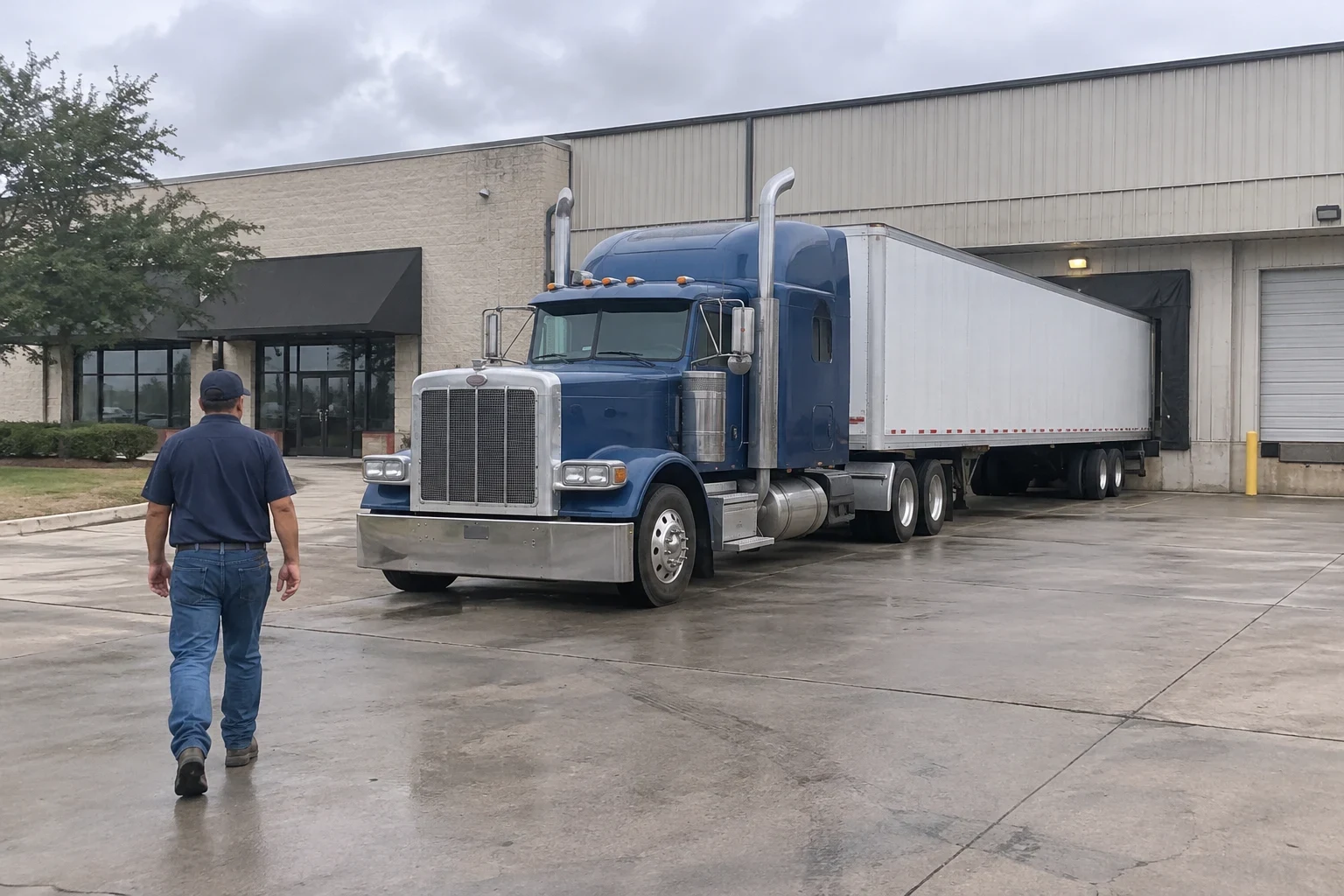
What commercial trucking insurance really is
It is not one policy. It is a set of coverages that work together: liability for the damage your truck can do to others, protection for the truck and trailer themselves, cargo coverage for the load, and the filings that keep your MC authority active. Each piece answers a different question, and a gap in any one of them can stop a load or leave a claim unpaid.
Most problems we see come from a policy written around a guess. A carrier lists general freight when they pull flatbeds of steel, or picks a radius that no longer matches their lanes. Everything looks fine until a claim, and then the details decide what gets paid. So we ask the plain questions first and write the coverage to match the answers.
We work with owner-operators, new motor carriers and small fleets across Cedar Hill and nearby towns like DeSoto, Midlothian and Grand Prairie, at our office or by phone and video.
What we put together for you
- Primary auto liability
- The coverage regulators and brokers look at first. We set limits that satisfy your filings and the contracts you actually sign, not just the floor. Our Primary Auto Liability Insurance page covers it in more depth.
- Physical damage
- Collision and comprehensive for your trucks and trailers, written at values that reflect what the equipment is worth today. We walk through deductible choices so you know what you would carry after a loss.
- Motor truck cargo
- Cargo coverage matched to the commodities you haul, including any exclusions for refrigeration breakdown, unattended vehicles or high-value loads. We read those exclusions with you before you sign.
- Bobtail and trailer interchange
- If you run under a lease, non-trucking liability covers the miles you drive off dispatch. If you pull trailers you do not own under an interchange agreement, trailer interchange covers damage to them.
- Filings and certificates of insurance
- Once coverage is bound, we see that the required federal and state filings are submitted and that your certificate of insurance goes to the brokers and shippers who need it, with the right names and limits on it.
Signs your current policy needs a closer look
A broker rejected your certificate
Limits too low, a missing cargo endorsement or the wrong business name on the policy. Any of these can cost you loads until it is corrected.
What you haul has changed
Moving from dry van freight to equipment, aggregate or refrigerated loads changes the risk. A policy written for the old commodity may not respond to the new one.
Your lanes are longer now
Many policies are rated on radius. If you started local and now run regional or across state lines, your coverage should say so.
A new driver or truck was added informally
An unlisted driver or unscheduled unit is one of the most common reasons a claim gets contested. Updates should happen before the truck rolls, not after.
Your renewal jumped with no explanation
A higher premium usually has a cause: a violation, a loss, a change in what the market thinks of your class. We find that cause so you can decide what to do about it.
What moves the price of trucking coverage
Premiums are built from the risk an insurer sees in your operation, so two carriers with the same truck can pay very different amounts. We explain which factors are driving your number and which ones you can influence. That way the quote you get by phone makes sense before you commit to it.
Commodity and radius
Heavy, fragile or high-value loads cost more to insure than general freight, and long-haul interstate work rates differently than local runs.
Driver experience and records
Years holding a CDL, recent violations and accidents weigh heavily. A single driver with a rough record can change the price for a whole fleet.
Age of your authority and loss history
New MC authorities have no track record yet, which usually means a higher starting premium. Clean years and clean loss runs tend to help over time.
Equipment values and deductibles
Newer, higher-value trucks and trailers cost more to cover for physical damage. A higher deductible lowers the premium but raises what you pay after a loss.
Limits your contracts require
Some shippers and brokers ask for liability or cargo limits above the regulatory minimum. Meeting those is often worth it, and we price it so you can weigh the trade.
How we build your policy
- 1
A conversation about your operation
We ask what you haul, where you run, how many trucks and drivers you have and who you contract with. This call takes a little longer than a quick price check would, and it is the part that keeps the policy accurate.
- 2
Review of your records
We look at your DOT number history, driver records, equipment list and any prior loss runs. If something is likely to affect pricing, we tell you up front.
- 3
Options explained line by line
We lay out the coverages, limits and deductibles side by side, along with what each one does and does not cover. You choose with the full picture in front of you.
- 4
Binding, filings and certificates
Once you decide, we bind coverage, see the filings through and send certificates to the parties on your list. When you add a truck, a driver or a new customer later, a phone call starts the update.
Questions about commercial trucking insurance
Do I need my own MC authority to buy commercial trucking insurance?
Not always. If you are leased onto another carrier, they usually provide primary liability and you carry coverages like bobtail and physical damage. If you run under your own authority, you need the full set, including the filings. We sort out which situation you are in during the first call.
Is the federal minimum liability limit enough?
It keeps your authority legal, but many brokers and shippers require more before they will tender loads. It also may not go far in a serious accident. We show you the cost difference between limits so you can decide with real numbers.
What should I have ready when I call?
Your DOT and MC numbers if you have them, a list of trucks and trailers with VINs, driver names with license details and dates of birth, and loss runs from any prior insurer. If you do not have everything, we can still start and fill gaps as we go.
How long does it take for filings to show up?
After coverage is bound, the insurer submits the filings and the agency records usually update within a few business days. We let you know when they are submitted so you can plan your first loads around it.
What if I only run inside Texas?
Intrastate carriers have state registration and filing requirements of their own, and they differ from interstate rules. Tell us how and where you operate, and we will set up coverage and filings that match.
Start with the facts of your operation
A short conversation about your trucks, drivers and loads is enough for us to tell you what coverage fits and what it is likely to cost. From there, the decision is yours.