ServicesNon-Trucking Liability (Bobtail)
Non-Trucking Liability (Bobtail) Insurance in Cedar Hill
If you're leased to a motor carrier, your lease likely requires non-trucking liability for the miles you drive off dispatch. We read your lease first, confirm where the carrier's coverage stops and yours starts, then quote a policy that fits that gap instead of a guess.
What this coverage is for, and when it fits
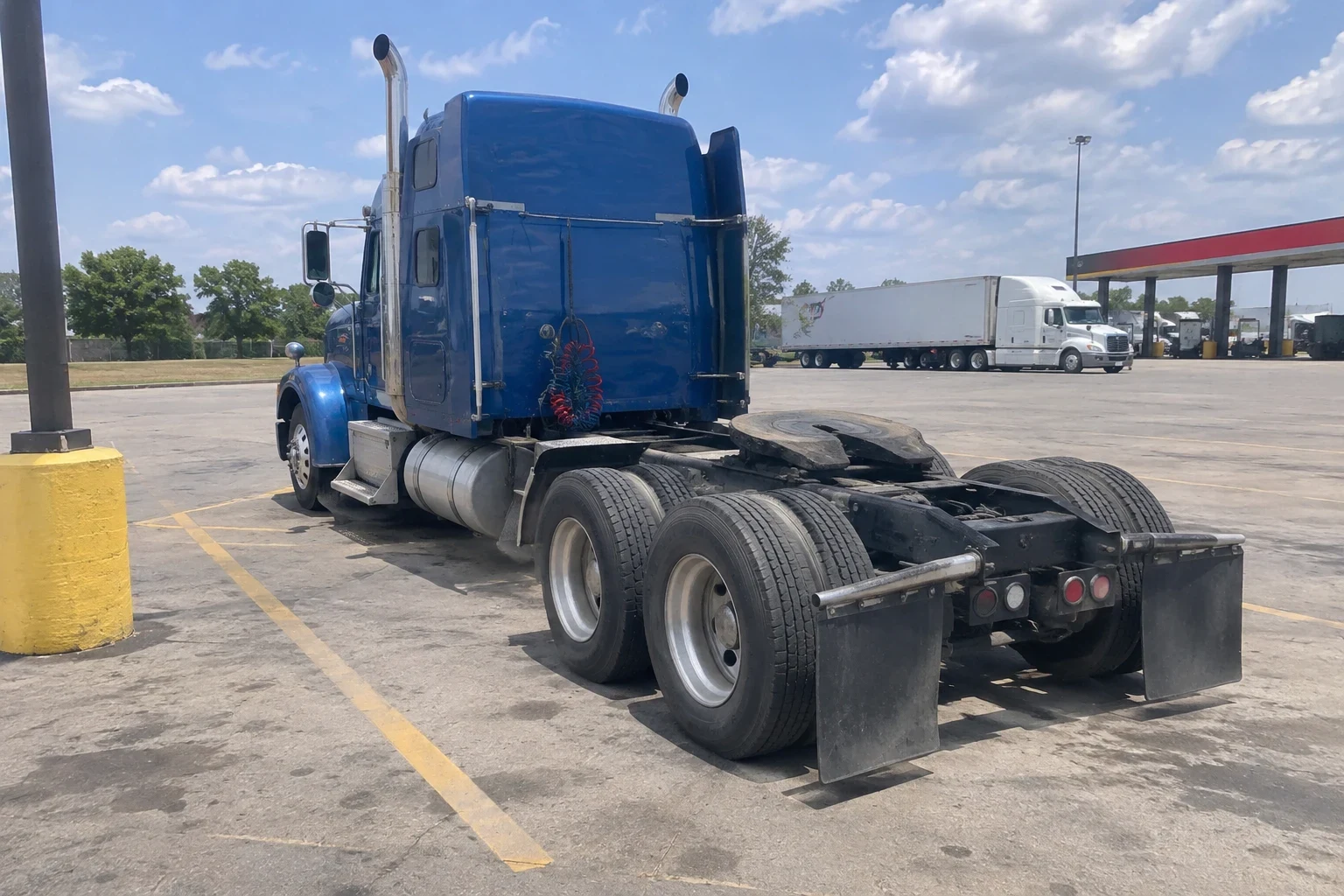
Non-trucking liability protects you if your truck injures someone or damages property while you're using it for something other than hauling for your motor carrier. Think driving back from the terminal after a run, taking the tractor to a shop on a Saturday, or stopping for a meal between loads. The carrier you're leased to carries primary auto liability while you're under its dispatch. Off dispatch, that policy usually steps back, and this is the coverage that steps in.
Bobtail is the older name, and the two terms get used as if they mean the same thing. They don't always. Some bobtail forms turn on whether a trailer is attached, while non-trucking forms turn on what you are doing at the time and who you are doing it for. That difference can decide whether a claim gets paid, so we start by finding out which one your lease actually asks for.
It is not the right policy if you run under your own MC authority. In that case you need primary auto liability, and we would talk with you about that instead.
What we look at and set up
- 01
A careful read of your lease
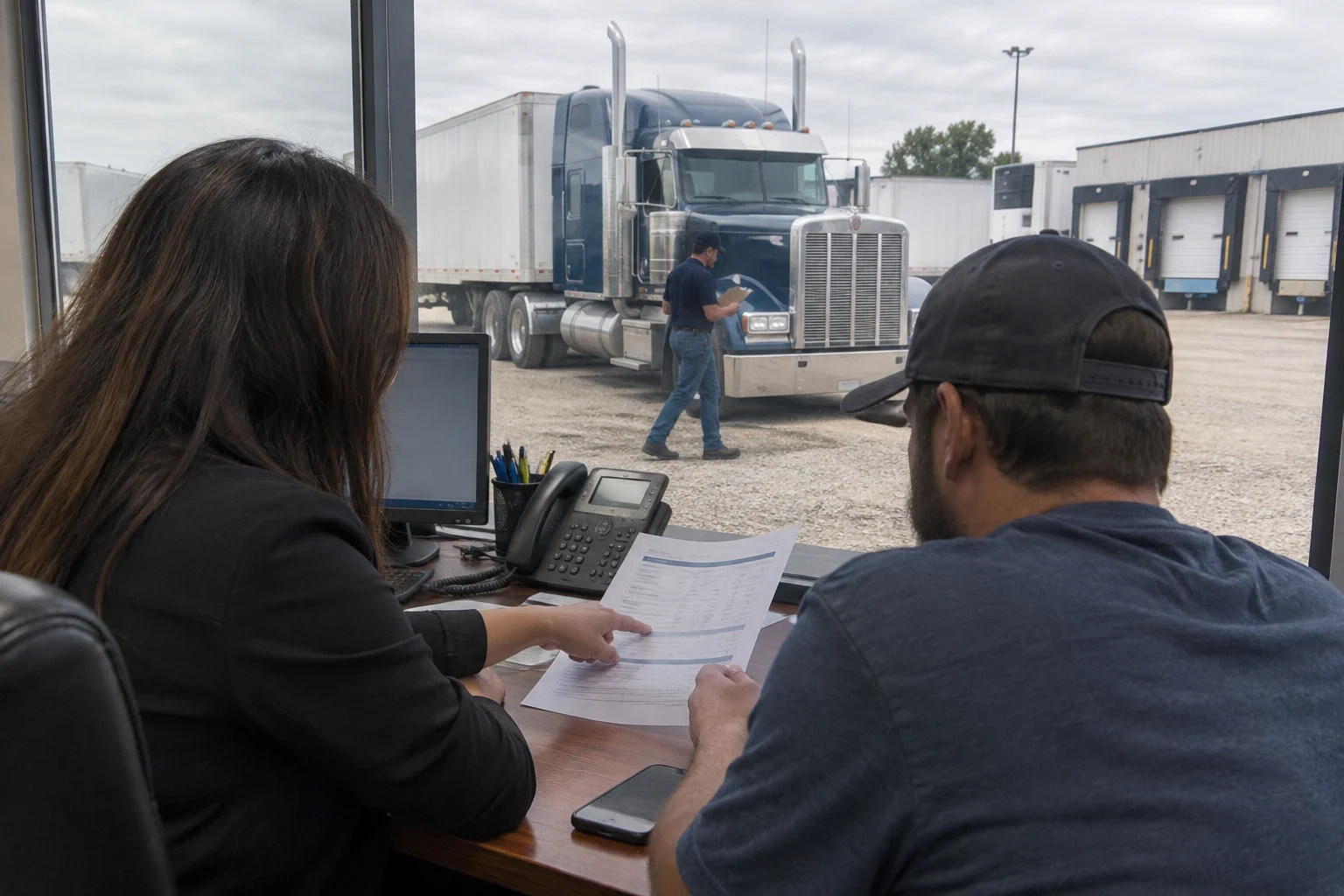
We go through the insurance section of your lease agreement line by line: required limits, which form it names, non-trucking or bobtail, and whether the carrier must be named on your policy. Most of the mismatches we find start right here.
- 02
Limits that match the requirement
Many carriers ask for a specific combined single limit. We quote to that number so you aren't held up at orientation or paying for more than the lease calls for.
- 03
Certificate of insurance for your carrier
Once the policy is bound, we get the certificate of insurance to your carrier's safety or contracting department with every required party listed correctly.
- 04
Physical damage alongside, if needed
Non-trucking liability pays for harm to other people and their property, not your own tractor. If your lender or lease requires coverage on the truck itself, we can quote physical damage insurance at the same time so the two policies line up.
- 05
Exclusions explained before you sign
We walk you through what the policy won't cover, such as hauling for a second company or any trip made in the carrier's business. You hear it from us up front, not from an adjuster later.
Questions about Non-Trucking Liability (Bobtail)?
Call(972) 526-0372Signs it's time to sort out this coverage
Your lease lists it as a condition
Most lease agreements spell out non-trucking liability as a requirement for signing on. With a new carrier, it usually needs to be in place before your first load.
You drive the truck off the clock
If the tractor stays with you between runs and you drive it to and from the yard, those miles likely fall outside the carrier's dispatch.
No one has explained where dispatch ends
If you can't get a clear answer on when your carrier's coverage applies and when it doesn't, there may be a gap. We would rather find it now than after an accident.
You switched carriers
A new lease can bring different limits or different wording. A policy that satisfied your last carrier may not satisfy this one.
You're planning to get your own authority
Once you run under your own MC authority and DOT number, non-trucking liability no longer fits and primary liability takes over. Timing that switch carefully keeps you from ever running uncovered, which we cover under New Authority Truck Insurance.
How a quote comes together
- 1
A conversation about your setup
We ask who you're leased to, how dispatch works, where the truck stays between loads and what you use it for off the clock. It's a short talk by phone, by video or at our office.
- 2
We go through the lease together
Have your lease handy when we talk, or bring it in, and we read the insurance section with you. This is where we pin down the exact form and limits the carrier expects.
- 3
Options, compared plainly
We bring back quotes that meet the required limits and explain the differences in wording and premium so you can choose with the full picture.
- 4
Binding and the certificate
When you pick a policy, we bind it and send the certificate of insurance to your carrier so you can start hauling.
- 5
A review when things change
If you move to a new carrier or your lease is rewritten, give us a call and we check the new requirements before the old policy runs out.
What shapes your premium
Non-trucking liability generally costs less than primary liability because it only covers the miles you drive off dispatch. Even so, the premium can vary a good deal from one driver to the next. These are the details insurers weigh most.
- The limits your lease requires
- Higher required limits mean a higher premium. We quote to the exact figure your carrier asks for, no more and no less.
- Your driving record and experience
- Years holding a CDL, moving violations and past claims all count. A clean record helps more than almost anything else.
- Your truck and where it's garaged
- The type and age of the tractor matter, and so does where it's kept between runs, since garaging location in the Dallas-Fort Worth area affects the rating.
- Bobtail or non-trucking wording
- The form your lease calls for can change the price. Broader wording tends to cost a little more, which is one more reason to know exactly what the lease requires.
Questions about non-trucking liability
Is bobtail insurance the same as non-trucking liability?
Not always, though many people use the names interchangeably. Bobtail forms often apply when no trailer is attached, and non-trucking forms apply when you aren't working for your carrier. We check which one your lease names so the policy you buy is the one it asks for.
Am I covered while driving to pick up a load?
Usually not under this policy. A trip to a pickup under dispatch is typically treated as the carrier's business, so the carrier's primary liability applies. Non-trucking forms generally exclude those trips. We look at your lease and the carrier's definitions so you know where the line falls.
Does it pay for damage to my own truck?
No. Non-trucking liability covers injury and damage you cause to others. Repairs to your tractor after an accident fall under physical damage insurance, which we can quote alongside.
My carrier offers to deduct this coverage from my settlements. Should I take it?
It can be convenient, and sometimes it's a fair option. Compare the limits, the wording and whether the coverage ends the day you leave that carrier. We can go over the carrier's program with you and quote an independent policy so you can compare the two side by side.
Can I haul for someone else on weekends with this policy?
No. Hauling for hire for anyone, including a second company, is excluded under non-trucking liability. That work needs its own primary coverage, and we can talk through what that would take for your operation.
Know exactly where your coverage starts
Keep your lease agreement nearby and we'll walk through it with you, line by line. We work with leased owner-operators across Cedar Hill, DeSoto, Duncanville and the surrounding area, at our office or by phone and video.