ServicesFleet Truck Insurance
Fleet Truck Insurance in Cedar Hill, TX
When you run several trucks, one policy has to cover every unit, driver and load without gaps or double charges. We start by reading your loss runs, driver files and schedule of units, then build fleet coverage that matches how your operation really works.
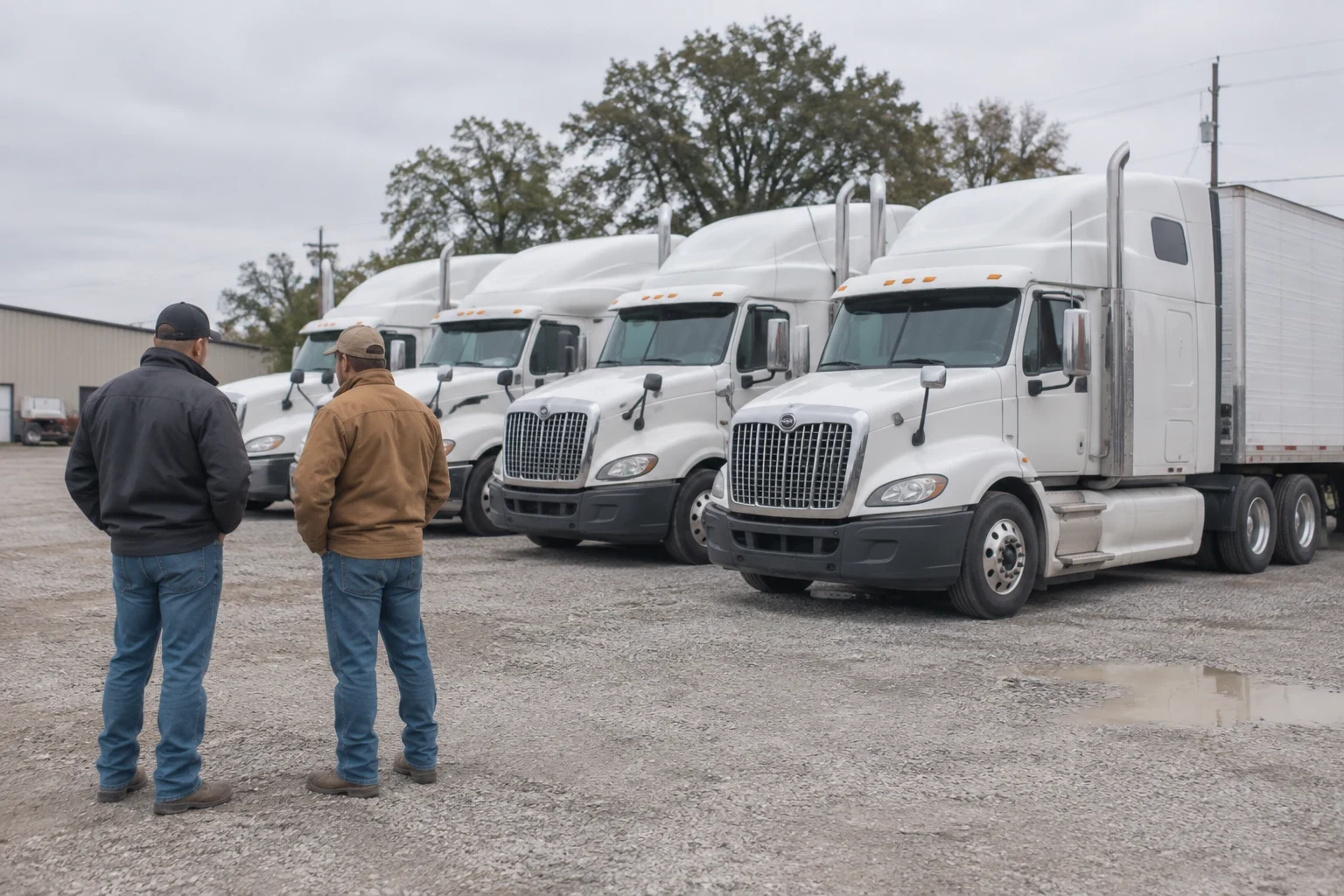
Coverage that starts with how your fleet runs
Fleet truck insurance puts your power units, trailers and drivers under one commercial policy instead of a stack of separate ones. It usually combines primary auto liability, physical damage and motor truck cargo coverage. The filings your MC authority needs stay on a single schedule.
A fleet premium rarely jumps for no reason. An increase usually traces back to something specific: a driver with a fresh violation, a claim reserved high and never closed, a radius that grew, or a unit listed at the wrong value. We look for that cause before we shop anything. That way the fix addresses the real problem instead of moving you to another carrier for a single year.
We work with small and mid-size fleets in Cedar Hill and nearby towns such as DeSoto, Midlothian and Mansfield, at our office or by phone and video.
What we put together for your fleet
- Liability and filings on one schedule
- We place primary auto liability at the limit your contracts and authority require and keep federal and state filings tied to the right DOT number. When a unit comes on or off, the filing side stays in step.
- Physical damage by unit
- Each tractor and trailer is listed at a stated value that reflects its current condition, not the number from the day you bought it. Overstated values cost premium. Understated ones leave you short after a total loss.
- Cargo coverage that fits the freight
- We check commodity exclusions, reefer breakdown wording and theft conditions against what you actually haul. A cargo form written for general dry van freight can fail a carrier who has moved into electronics or temperature-sensitive loads.
- A clear way to add and remove units
- We set up how changes are handled, whether a scheduled list or a reporting form. You know the steps to get a new truck on the policy before it is dispatched.
- Certificates for shippers and brokers
- Brokers ask for a certificate of insurance before they tender a load. We issue each one with the correct certificate holder, endorsement wording and cargo limit, so freight is not held up over paperwork.
- Interchange and rented equipment
- If your drivers pull trailers you do not own under an interchange agreement, we look at whether trailer interchange insurance belongs on the policy, and whether rented units need hired auto coverage.
Signs your fleet policy needs a closer look
A renewal increase no one explained
If the only explanation was the market, something in your file is probably driving it. Loss runs and driver records usually show what.
Units on the schedule you already sold
Paying for a tractor that left the yard months ago is common in growing fleets. So is the reverse: a truck in service that never made it onto the policy.
A broker turned down your certificate
Wrong limits, a missing endorsement the broker asked to see, or a cargo exclusion can stall loads. It is often a wording fix, not a new policy.
Drivers hired faster than they were submitted
An insurance company can dispute a claim if the driver was never approved. We check every name on your roster against the names on the policy.
Your freight or lanes changed
Moving from local runs to regional work, or into a new commodity, can put you outside the radius or cargo terms you bought.
What shapes your fleet premium
There is no single fleet rate. Underwriters price the specific trucks, drivers and freight in front of them, and two fleets with the same unit count can pay very different amounts. These are the factors we see move it most.
Loss history
Frequency matters as much as size. Several small claims can weigh more than one large one, and open claims with high reserves count against you until they close.
Driver experience and records
Years of CDL experience, recent violations and driver age all feed the rating. One driver with a serious violation can change the price for the whole fleet.
Radius and lanes
Local, intermediate and long-haul operations are rated differently, and so are the states you run through.
Units, values and deductibles
Newer, higher-value equipment raises physical damage cost. A higher deductible lowers premium if your cash flow can carry it after a loss.
Commodity and safety controls
What you haul shapes cargo and liability pricing. Dash cameras, telematics and a written safety program can help in underwriting, depending on the market.
How a fleet review works with us
- 1
Gather your documents
We ask for current declarations, recent loss runs, the driver list with license details, and your schedule of units with VINs and values. Your DOT number lets us read your safety record as well.
- 2
Find what is driving the premium
We go through claims, violations, values and radius line by line. You get a plain explanation of what is raising your cost and which parts are within your control.
- 3
Compare coverage, not just price
With the file in order, we take it to markets that write fleets your size and lay the forms side by side, so you see differences in exclusions and limits as well as premium.
- 4
Bind, file and issue certificates
Once you choose, we bind the policy, handle the filings and send the certificates your brokers and shippers need.
- 5
Keep the schedule current
Through the year we update units and drivers as they change, then review the whole file again well ahead of renewal.
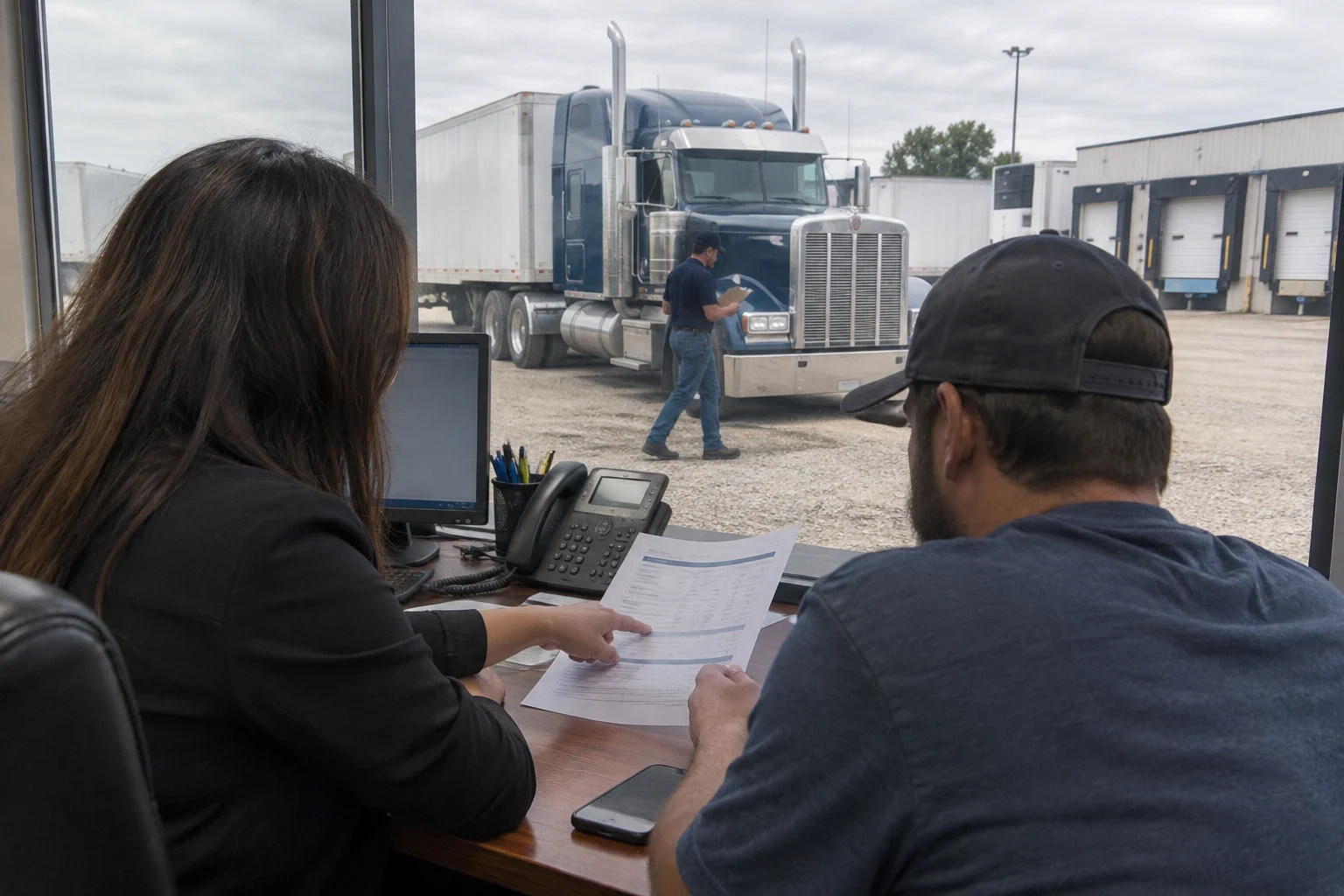
Fleet insurance questions
How many trucks do I need before it counts as a fleet?
It depends on the insurance company. Some markets start fleet programs at a few power units, others at larger counts. What matters more is that every unit and driver sits on one schedule managed together. We will tell you which markets fit your size during the review.
Can I add a truck in the middle of the policy term?
Yes. Most fleet policies allow units to be added mid-term with a premium adjustment. Give us the VIN, value and garaging location before the truck goes into service, and we will get it scheduled and update any filings or certificates that need it.
Do all my drivers need to be listed?
Most fleet policies require drivers to be submitted and approved by the insurance company. A driver who was never added can leave a claim in dispute. We compare your roster to the policy whenever someone is hired or leaves.
Will switching carriers lower my premium?
Sometimes, but not always. If the increase comes from your loss history or a driver record, a new carrier will see the same file. We find the cause first, and if a change inside your operation will do more than a move, we will tell you.
I have owner-operators leased onto my authority. How does that work?
Leased owner-operators usually run under your primary liability while dispatched, and carry their own non-trucking liability (bobtail) insurance and physical damage. We check that the lease agreements and the policies line up so nothing overlaps or falls through.
Bring us your fleet file
Have your declarations, loss runs and driver list close by. We will go through them with you, explain what is behind your premium and show you the coverage options that fit.