ServicesTrailer Interchange Insurance
Trailer Interchange Insurance in Cedar Hill
When you hook to a trailer or chassis that belongs to someone else, your interchange agreement usually makes you responsible for damage to it. We read that agreement first, then set a limit and deductible that meet it, so the coverage holds up when a claim is filed.
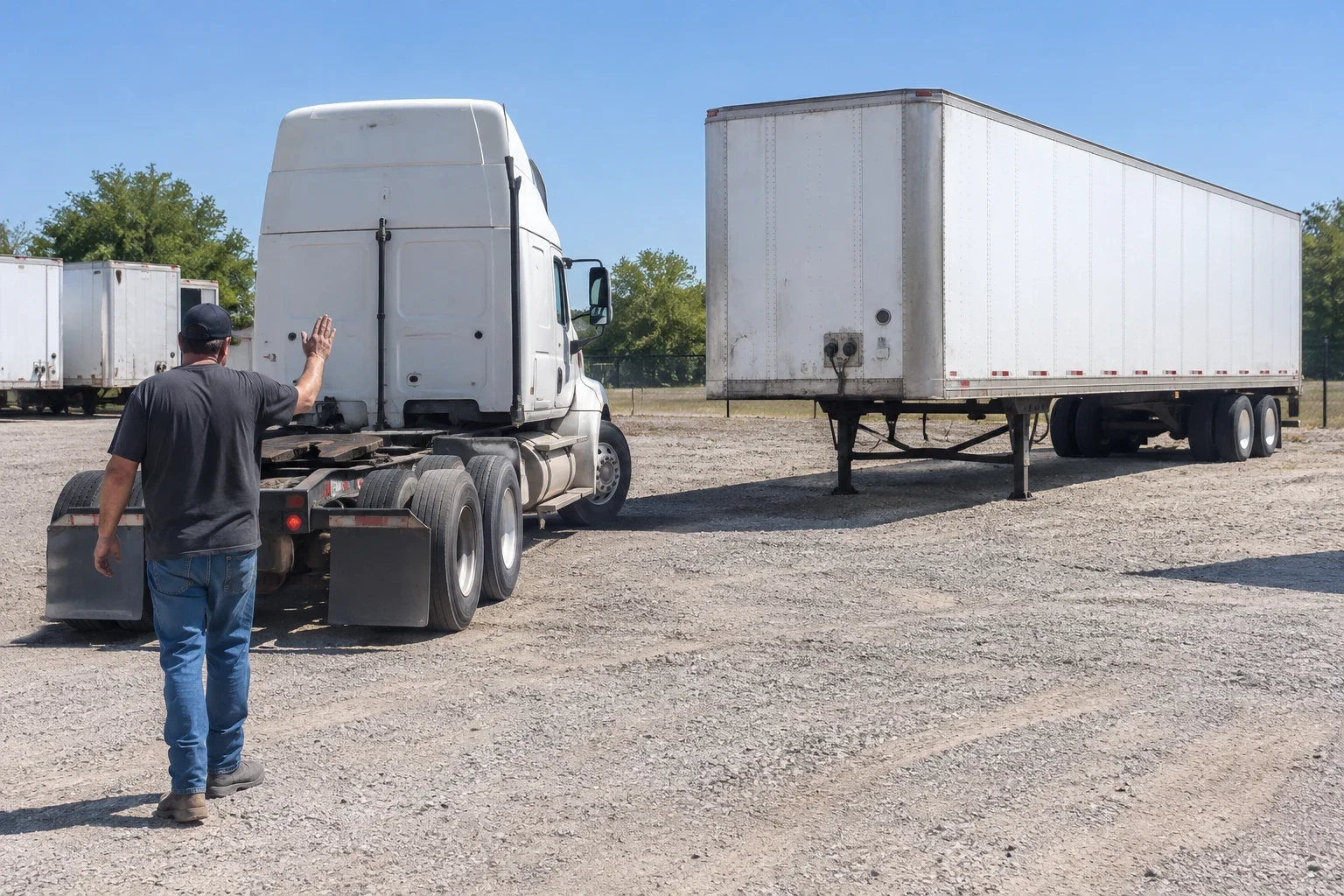
What trailer interchange coverage does
Trailer interchange insurance pays for physical damage to a trailer you do not own while it is in your possession under a written trailer interchange agreement. Collision, fire, theft and vandalism are the usual covered causes. It is separate from your auto liability, which handles damage you cause to others, and separate from cargo coverage, which protects the freight inside.
The written agreement is the detail that matters most. Intermodal carriers pulling containers on chassis, and motor carriers swapping trailers with partners, sign contracts that spell out who pays if equipment comes back damaged and how much coverage must be in place. If there is no written agreement, a different coverage, non-owned trailer physical damage, is often the better fit. Telling the two apart before you buy is where most of the cost of a wrong policy is avoided.
We work with owner-operators and fleets across Cedar Hill, DeSoto, Midlothian and the rest of the area, by phone, by video or at our office.
What we look at and set up
- A read of your interchange agreement
- We go through the contract you signed or are about to sign. We note the required limit, any deductible caps, loss-of-use language and who must be named on the certificate.
- A limit matched to the equipment
- The limit should cover the most valuable trailer or chassis you might have hooked at one time. We ask what you actually pull so the number is not guesswork.
- Deductible choices explained
- A higher deductible lowers the premium but raises what you pay after a loss. We show how each option plays out against your agreement's terms.
- Loss-of-use and towing questions
- Some agreements hold you responsible for the owner's lost rental income while a damaged trailer is repaired. We check whether that applies and how it can be addressed.
- Certificates of insurance
- Equipment providers and intermodal programs want a certificate showing the coverage before you pull. We help you get the right certificate to the right party.
Signs you need to sort this out
You are starting intermodal work
Pulling containers on chassis from a rail ramp or port nearly always requires a signed interchange agreement and proof of physical damage coverage on that equipment.
A partner asked for interchange proof
If a carrier or shipper you swap trailers with wants a certificate showing trailer interchange, they likely have a contract clause that requires it.
You assumed your physical damage policy covers it
Physical damage insurance on your own truck and trailer does not extend to equipment owned by others. Many operators learn this only after a claim is denied.
Your limit was set years ago
Trailer and chassis values change, and so do the minimums in interchange programs. An old limit can leave a gap you pay out of pocket.
You are unsure if your agreement is written
A handshake swap and a signed contract call for different coverage. If you cannot say which you have, that is worth a short conversation.
How we work through it with you
- 1
A conversation about your operation
We start with a call. We ask what you haul, whose equipment you pull, how often, and whether you have a written agreement in hand.
- 2
We review the paperwork
You send the agreement or read us the key sections. We identify the required limit, deductible rules and any loss-of-use terms, and we tell you plainly whether interchange or non-owned trailer coverage fits.
- 3
We shop the coverage
With the requirements clear, we gather quotes and walk you through how each one lines up against the contract, line by line.
- 4
Coverage bound and certificates sent
Once you choose, we finalize the policy and help get certificates of insurance to the equipment owner or program so you can pull without delay.
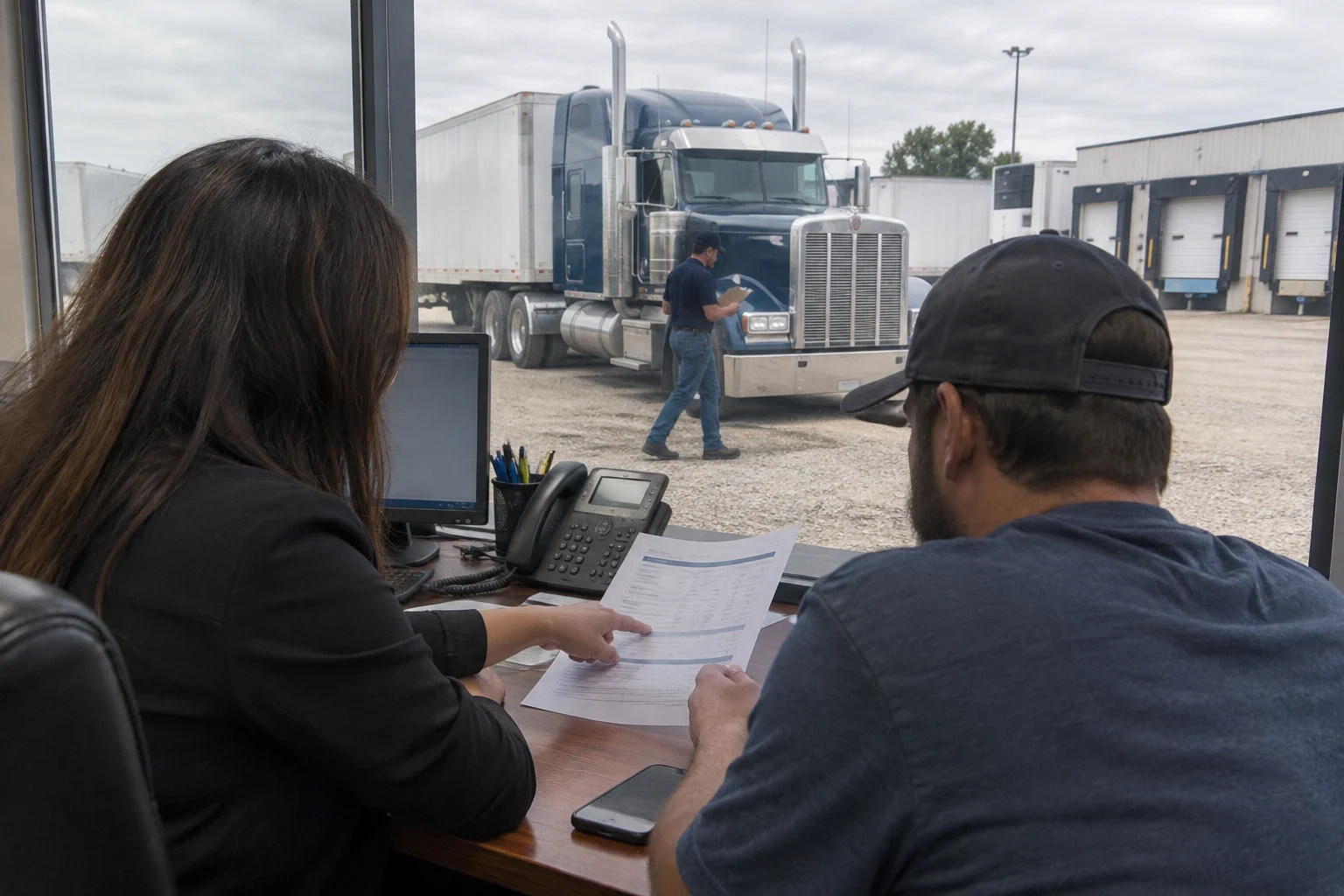
What moves the premium
Trailer interchange is usually priced on the value of equipment you could have in your care, adjusted for how and where you run. We explain each factor as we quote so the number makes sense to you. There are no dollar figures here because the right premium depends on details only your operation can supply.
- Limit per trailer
- A higher limit to cover a refrigerated trailer or newer chassis costs more than a limit sized for an older dry van.
- Deductible
- Choosing a larger deductible reduces the premium. Some agreements cap the deductible you may carry, which narrows the choice.
- Type of operation and radius
- Local intermodal drayage, regional runs and long haul each carry different exposure to collision and theft.
- Loss history
- Past trailer damage claims, whether yours or on your motor carrier's record, affect pricing for several years.
- Added terms
- Loss-of-use coverage or extra named parties can add to the cost, and some contracts require them.
Trailer interchange questions
Something not covered here? (972) 526-0372
Is trailer interchange the same as non-owned trailer coverage?
No. Trailer interchange applies when you have a written interchange agreement with the trailer's owner. Non-owned trailer physical damage is used when you pull someone else's trailer without that kind of contract. We check your paperwork to see which one fits.
Does this cover the freight in the trailer?
It does not. Trailer interchange protects the trailer or chassis itself. The freight needs motor truck cargo insurance, which we can quote alongside it.
Does my primary auto liability cover a trailer I'm pulling?
Your liability policy covers damage your rig causes to other people and their property. Damage to the trailer you are pulling is a physical damage issue, which is why interchange agreements ask for separate coverage.
How do I know what limit to carry?
Start with the limit your agreement requires, then compare it to the value of the most expensive equipment you might be hooked to. If the actual value is higher, carrying only the contract minimum can leave you paying the difference after a loss.
Can I add this to my existing trucking policy?
Often it can be added to a commercial trucking insurance policy, though it depends on the carrier writing your current coverage. We look at what you have and tell you whether adding it or placing it separately makes more sense.
Get the coverage your agreement asks for
Have your interchange agreement nearby when we talk. We will go through it with you and quote coverage that meets its terms.