ServicesHotshot Truck Insurance
Hotshot Truck Insurance in Cedar Hill
We insure hotshot operators running one-ton pickups with gooseneck and flatbed trailers. Before we quote, we learn what you haul, how far you run and who you contract with, so your liability, cargo and physical damage line up with the work you actually do.
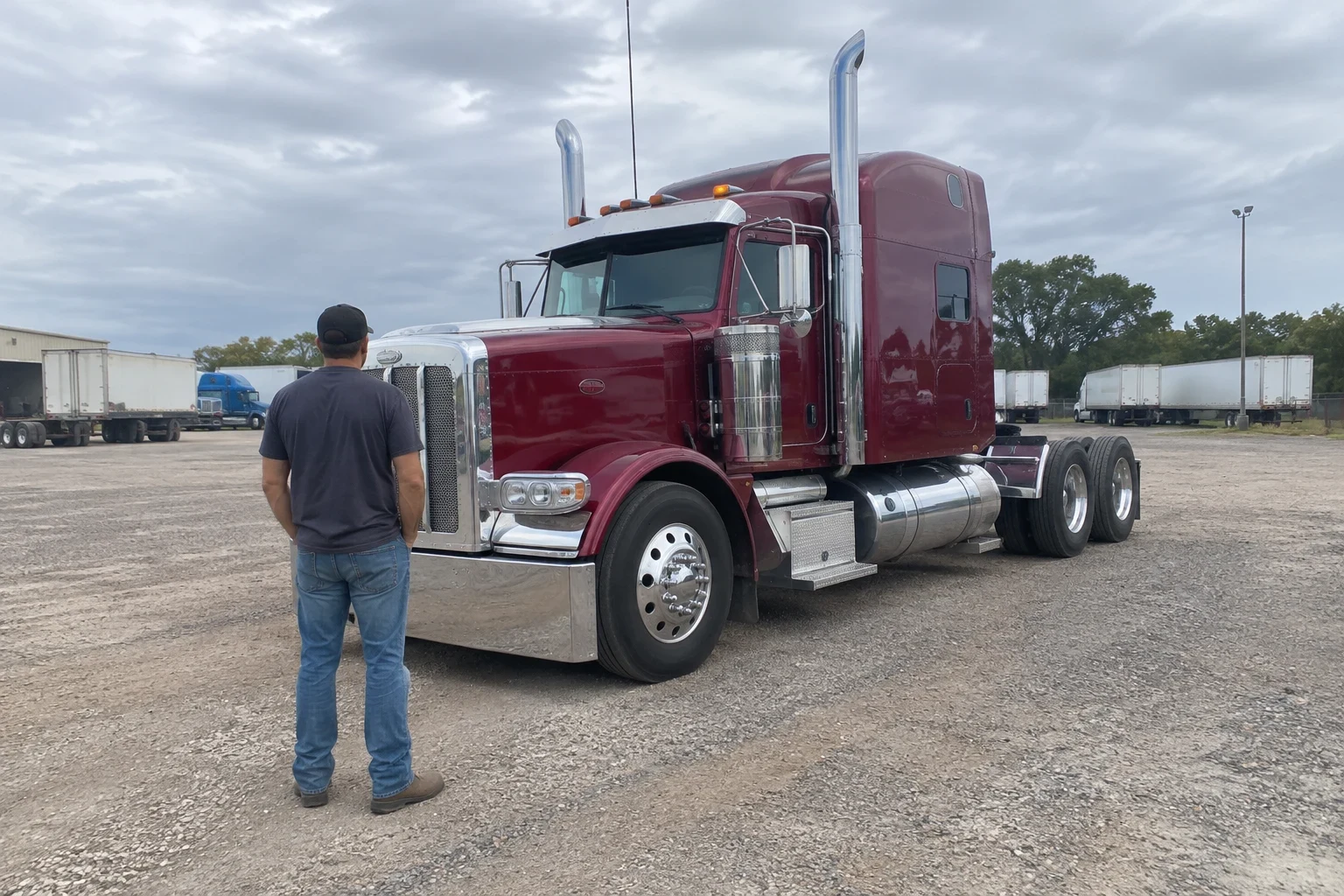
Coverage for a pickup that works like a semi
A hotshot rig sits in an awkward spot. The truck looks like a pickup, but once you hook a 40-foot gooseneck and haul for hire, a personal auto policy will not respond to a claim. Hotshot coverage is commercial auto insurance written for that combination, with the filings your DOT number and MC authority require.
Most problems we see are not price problems. They are fit problems: a trailer never listed on the policy, a cargo form that excludes the equipment or vehicles being hauled, or a radius that stops short of the lanes the driver runs every week. We look for those first, then build the quote around what we find.
We work with operators across Cedar Hill, DeSoto, Midlothian and the surrounding area, by phone, by video or at our office.
What a hotshot policy usually includes
- Primary auto liability
- This pays for injuries and damage you cause to others while operating. It is the coverage tied to your federal filing, and many brokers ask for higher limits than the minimum before they will tender a load.
- Motor truck cargo
- Covers the freight on your trailer. We read the exclusions closely, because hotshot loads often include vehicles, machinery or oilfield parts that some cargo forms limit or leave out.
- Physical damage
- Protects the value of your pickup and your trailer against collision, theft, fire and weather. Each unit is listed at its own value, so a newer gooseneck is not left underinsured.
- Filings and certificates
- We handle the insurance filings for your authority and issue certificates of insurance to brokers and shippers when you need them.
- Related coverages when they fit
- Depending on how you run, we may discuss non-trucking liability, trailer interchange or general liability. We bring them up only when your operation calls for them.
Signs your hotshot coverage needs a closer look
You are still on a personal policy
If the pickup sits on a personal auto policy and you haul for pay, a claim can be denied outright. This is the most common gap we find.
A broker rejected your certificate
Brokers check limits, cargo amounts and named equipment. A rejected certificate usually points to a specific mismatch we can identify and correct.
You added a trailer or changed loads
A new gooseneck, a move into car hauling or a first load of heavy equipment can fall outside what your policy was written for.
Your lanes got longer
Policies often carry a radius limit. If you now run out of state regularly, the policy should say so.
Your renewal jumped with no explanation
We can read the declarations page with you and show which rating factors moved, rather than guessing.
What shapes a hotshot premium
Carriers price hotshot work on the driver, the equipment and the freight. Two operators with identical trucks can see very different quotes. We show you which of these factors carry the most weight in your case.
Driver record and experience
Motor vehicle records, CDL history and years hauling for hire matter a great deal. New drivers and new authorities usually pay more until a track record builds.
Commodities hauled
General freight rates differently from vehicles, heavy equipment or oilfield loads, and higher cargo limits add premium.
Radius and lanes
Local runs and regional or long-haul work are rated differently, as is where the truck is garaged.
Equipment values
Physical damage cost follows the stated value of your pickup and each trailer, along with the deductible you choose.
Loss history
Prior claims, especially at-fault liability claims, follow an operation for several years and influence every quote.
How we put your hotshot policy together
- 1
A conversation about the work
We start with your DOT number, MC authority status, truck and trailer details, typical commodities and the lanes you run. This is where most coverage gaps show up.
- 2
A review of what you carry now
If you have an existing policy, we go through the declarations and forms with you and point out anything that does not match how you operate.
- 3
Quotes from suitable markets
We approach carriers that write hotshot risks and compare the forms, not just the premium. A lower number with a cargo exclusion for your main freight is not a saving.
- 4
A line-by-line explanation
We walk you through each coverage, limit and deductible in plain terms so you know what you are buying before anything is bound.
- 5
Binding, filings and certificates
Once you choose, we bind coverage, take care of the filings your authority requires and send certificates of insurance to the brokers and shippers you name.
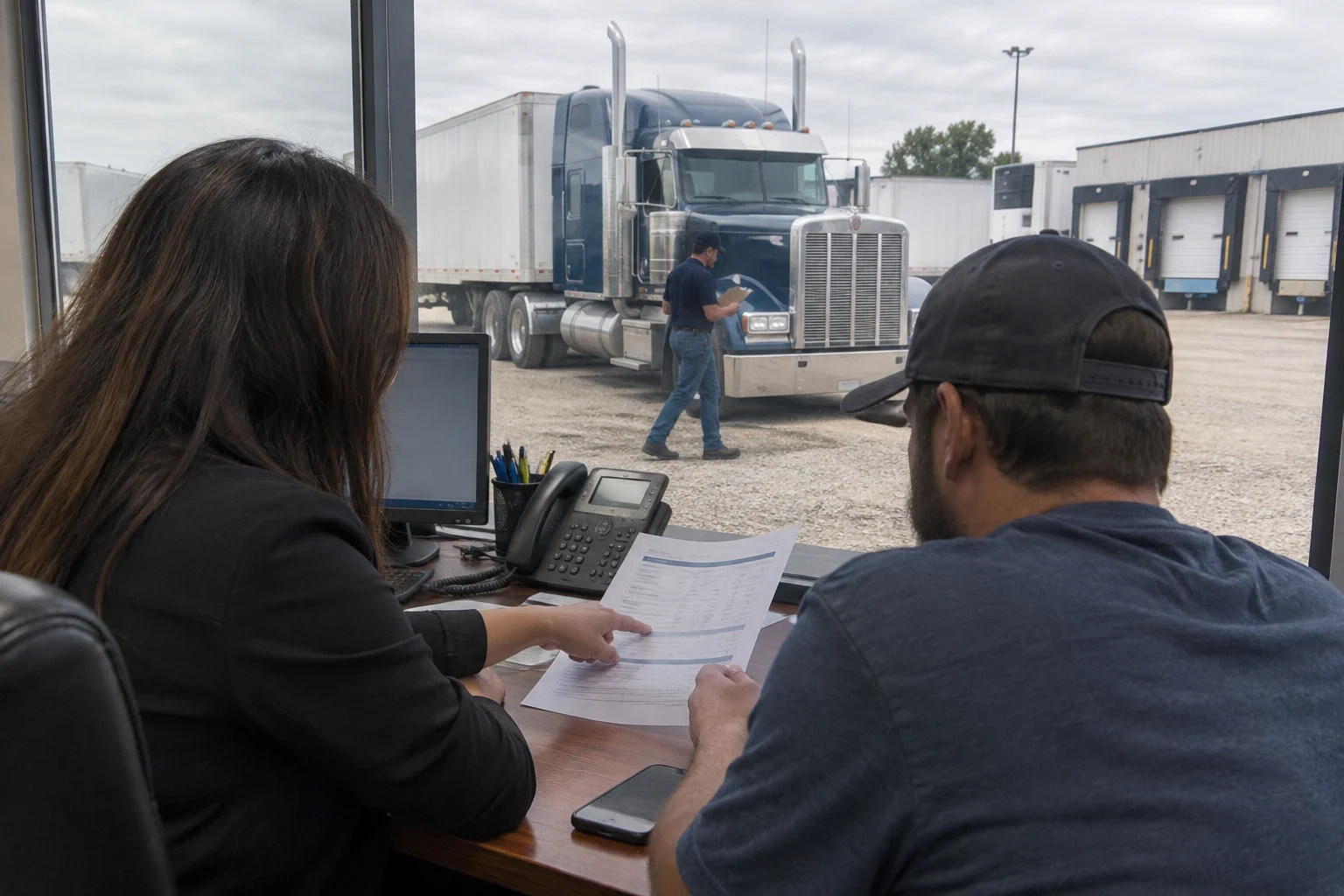
Hotshot insurance questions
Do I need my own authority to buy hotshot insurance?
No. If you lease onto a carrier, their policy may provide liability while under dispatch, and you may need non-trucking liability and physical damage. If you run under your own MC authority, you need primary liability, cargo and the matching filings. We confirm which situation you are in before quoting.
Will my policy cover hauling cars on a hotshot trailer?
Only if the cargo form allows it. Some forms exclude vehicles or limit them per unit. Tell us what you haul and we will make sure the cargo coverage reads correctly for those loads.
Does a hotshot need a CDL?
It depends on the combined weight rating of your truck and trailer. Heavier combinations require a CDL, and carriers look at licensing when rating the driver. We can talk through how your setup is likely to be viewed.
Can I add a second trailer later?
Yes. Call us before it goes into service so it is listed with its value and covered for physical damage and interchange where needed.
How long does it take to get a quote?
That depends on the carriers and how complete your information is. Having your DOT number, driver details, vehicle VINs and loss runs ready keeps things moving.
Get coverage that matches the loads you run
Tell us about your truck, your trailer and your freight. We will find any gaps first, then walk you through a quote that fits.