ServicesMotor Truck Cargo Insurance
Motor Truck Cargo Insurance in Cedar Hill
Cargo coverage pays when the freight on your trailer is lost, stolen or damaged. We start by learning exactly what you haul and how you haul it, then match the policy to that. Exclusions get read out loud before you sign, not after a claim.
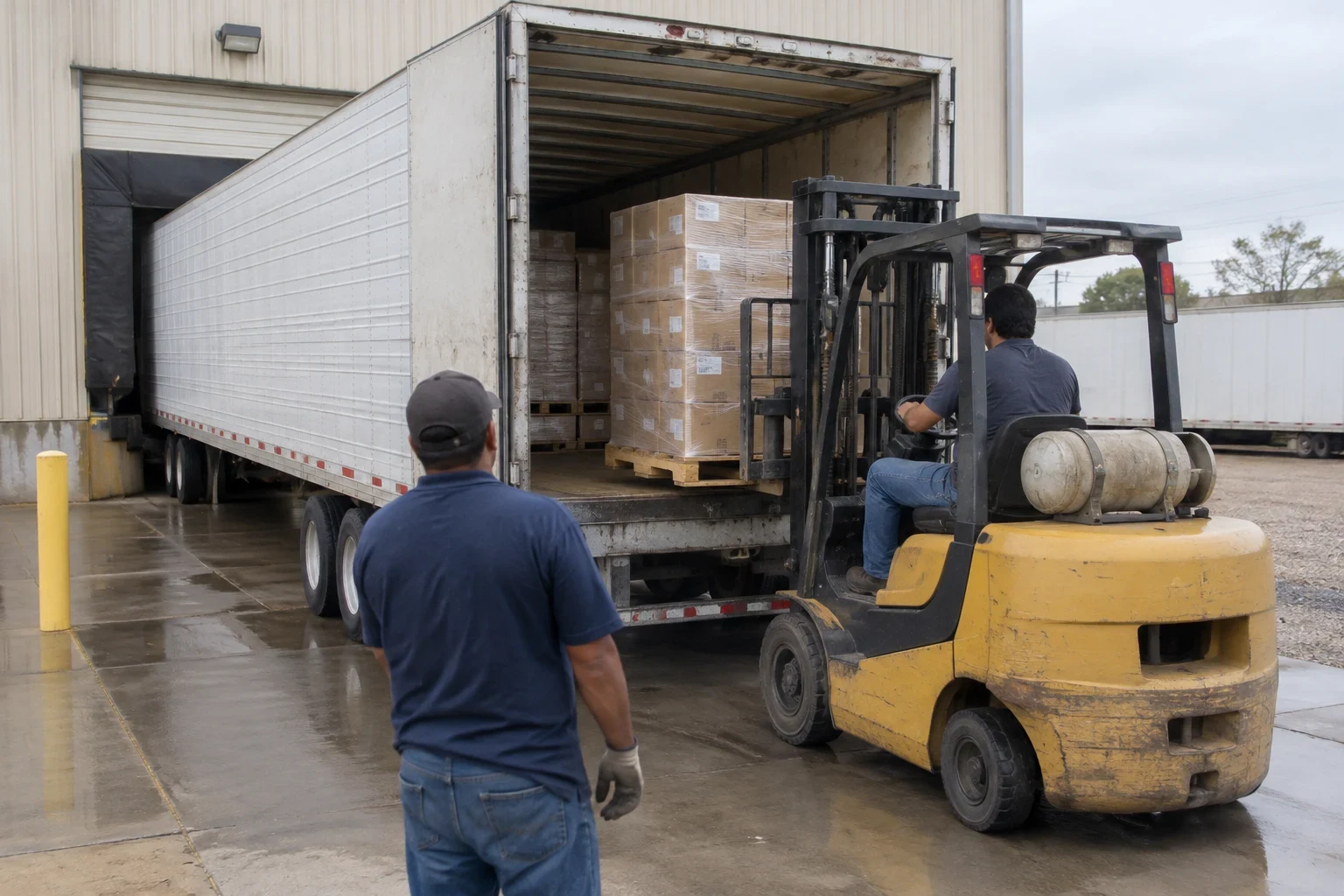
What cargo coverage protects, and where it falls short
Motor truck cargo insurance covers the goods you are hauling for someone else. If a load is damaged in a collision, burns, or is stolen off your trailer, the policy responds to the shipper's loss up to your limit, minus your deductible. Your liability policy does not do this, and neither does physical damage coverage on the truck itself.
Most cargo claims that go wrong do not fail because the carrier had no policy. They fail because the policy did not fit the freight. A form that excludes electronics, a reefer load with no breakdown endorsement, a trailer left unattended overnight. So before we quote anything, we find out what actually moves on your equipment, what your broker contracts ask for, and where your trucks sit when they are not running.
Federal rules do not require cargo coverage for most general freight carriers. Brokers and shippers do, through their contracts, and most will not tender a load without a certificate of insurance showing it.
What we look at when we set up your cargo policy
- A commodity review
- We list what you haul now and what you plan to haul. Many cargo forms exclude or limit certain goods, such as electronics, tobacco, alcohol or high-value metals. Knowing your list first keeps those surprises off the policy.
- Limits that match your contracts
- Many brokers ask for a set cargo limit, and some ask for more on certain lanes or shippers. We read your contract requirements and set the limit to meet them, rather than guessing high or low.
- Reefer breakdown coverage
- If you run a refrigerated trailer, spoilage from a unit failure is often excluded unless the policy carries a breakdown endorsement. We check for it and explain any conditions tied to it, like maintenance records.
- Theft and unattended vehicle terms
- Some forms restrict theft coverage when a loaded trailer is left unattended. We go over the wording against where and how you actually park.
- Certificates for brokers and shippers
- Once coverage is in place, we issue certificates of insurance to the brokers and shippers you work with, with the correct holder details.
Signs your cargo coverage needs a closer look
A broker asked for a higher limit
If you are losing loads because your limit is under what the contract requires, the policy needs adjusting before the next tender.
You added a reefer or a new trailer type
New equipment can change what the policy covers. A dry van form does not automatically protect temperature-controlled freight.
Your freight mix changed
Moving from building materials to packaged consumer goods, or picking up a few high-value loads, can put you into an exclusion you never had to think about.
You have never read your exclusions
Most carriers have not. If you cannot say what your policy will not pay for, that is worth an hour on the phone with us.
A past claim was denied or reduced
A denial usually points to a specific clause. We find which one and whether a different form would have responded.
How a cargo review works with us
- 1
A first conversation
You call, and we talk through your operation: equipment, commodities, typical load values, lanes and parking. This can happen by phone, by video, or at our office in Cedar Hill.
- 2
Reading what you have
If you already carry cargo coverage, send us the policy and any denial letters. We go through the exclusions and conditions line by line and tell you where the gaps are.
- 3
Options with the fine print attached
We bring back options with the limit, deductible and key exclusions written out next to the premium. You see what each one leaves out before choosing.
- 4
Binding and certificates
Once you pick a policy, we bind it and issue certificates to your brokers and shippers. When your freight or equipment changes later, call us and we will check the policy against it.
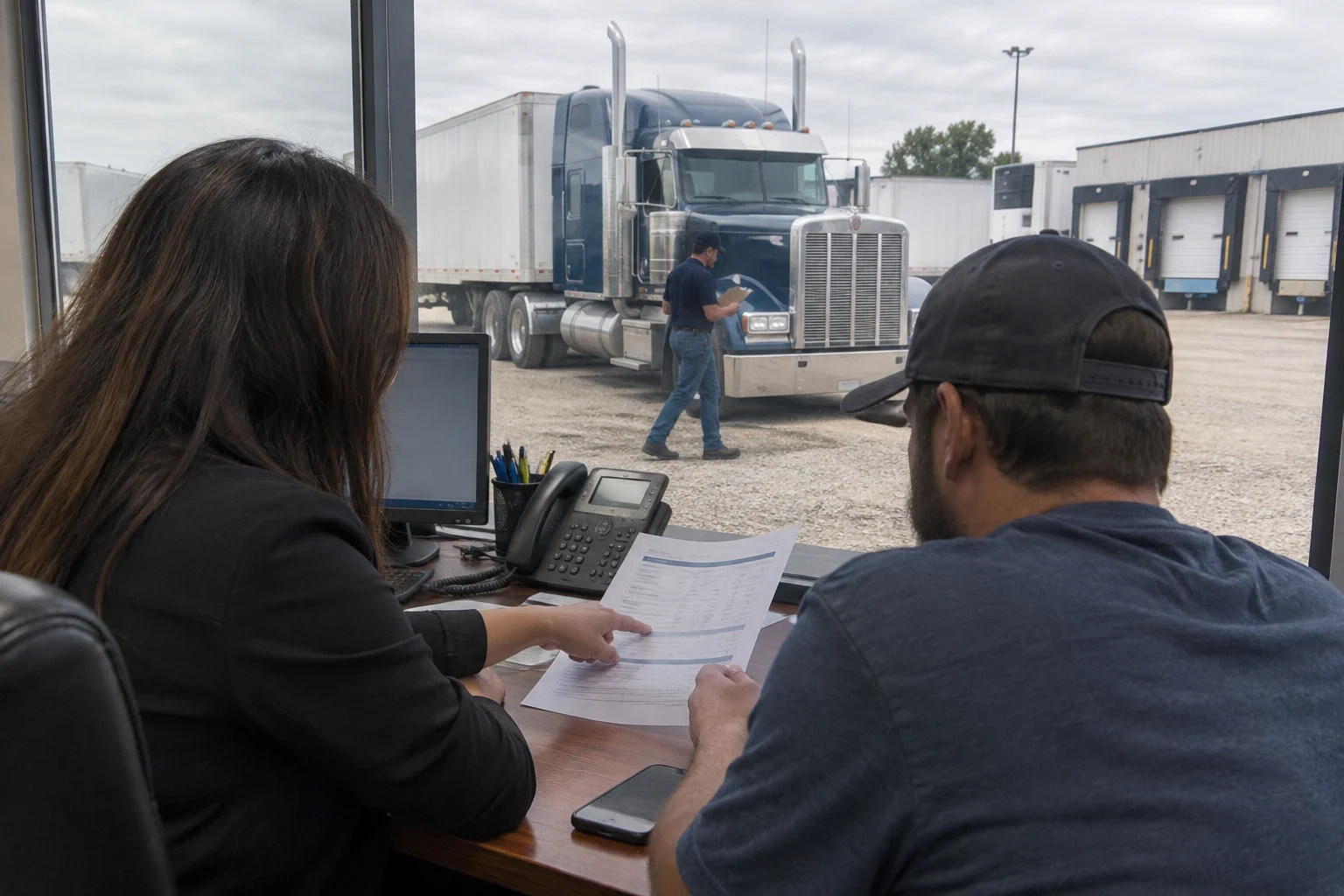
What moves the price of cargo coverage
Cargo premiums are built around risk to the freight, not the truck. Two carriers running similar equipment out of the Dallas–Fort Worth area can pay very different amounts because of what they haul and how. We explain each factor on your quote so the number makes sense.
- Commodity and load value
- Theft-prone and high-value goods cost more to cover. So do loads that damage easily or spoil.
- Limit and deductible
- A higher limit raises the premium. A higher deductible lowers it, but you carry more of each claim yourself.
- Equipment and endorsements
- Reefer breakdown coverage and similar additions add cost. They are often worth it when the freight depends on them.
- Loss history and experience
- Prior cargo claims and time under your own authority both weigh on the premium. A clean record over several years helps.
- Radius and parking
- Where you run and where loaded trailers sit overnight affect theft exposure, which carriers price in.
Questions about motor truck cargo insurance
Something not covered here? (972) 526-0372
Does cargo insurance cover spoiled reefer loads?
Only if the policy includes reefer breakdown coverage, and even then there are usually conditions. Some forms require the unit to have been maintained on a schedule or limit coverage to certain failures. We read that wording with you before you haul temperature-controlled freight.
How much cargo coverage do I need?
Start with what your brokers and shippers require in their contracts, then compare it to the value of your heaviest typical load. If those numbers differ, the larger one usually sets the limit. We will look at both with you.
If I am leased onto a motor carrier, do I need my own cargo policy?
Often the motor carrier you are leased to provides cargo coverage, but not always. Your lease agreement should say who carries it and whether a chargeback applies for the deductible. Send us the lease and we will tell you what it says.
Why was my cargo claim denied when I had a policy?
Denials usually trace to a specific exclusion: an unlisted commodity, an unattended trailer, improper loading or a missing endorsement. We cannot reopen a claim as an adjuster, but we can find the clause involved and set up coverage that would respond next time.
Can I add cargo coverage to my existing truck policy?
In many cases, yes. Cargo is often written alongside primary auto liability and physical damage. We will check whether your current carrier offers a form that fits your freight or whether a separate policy makes more sense.
Know what your cargo policy will pay before you need it
Bring us your load list, your broker requirements and your current policy if you have one. We will go through them with you and show where the coverage fits and where it does not.